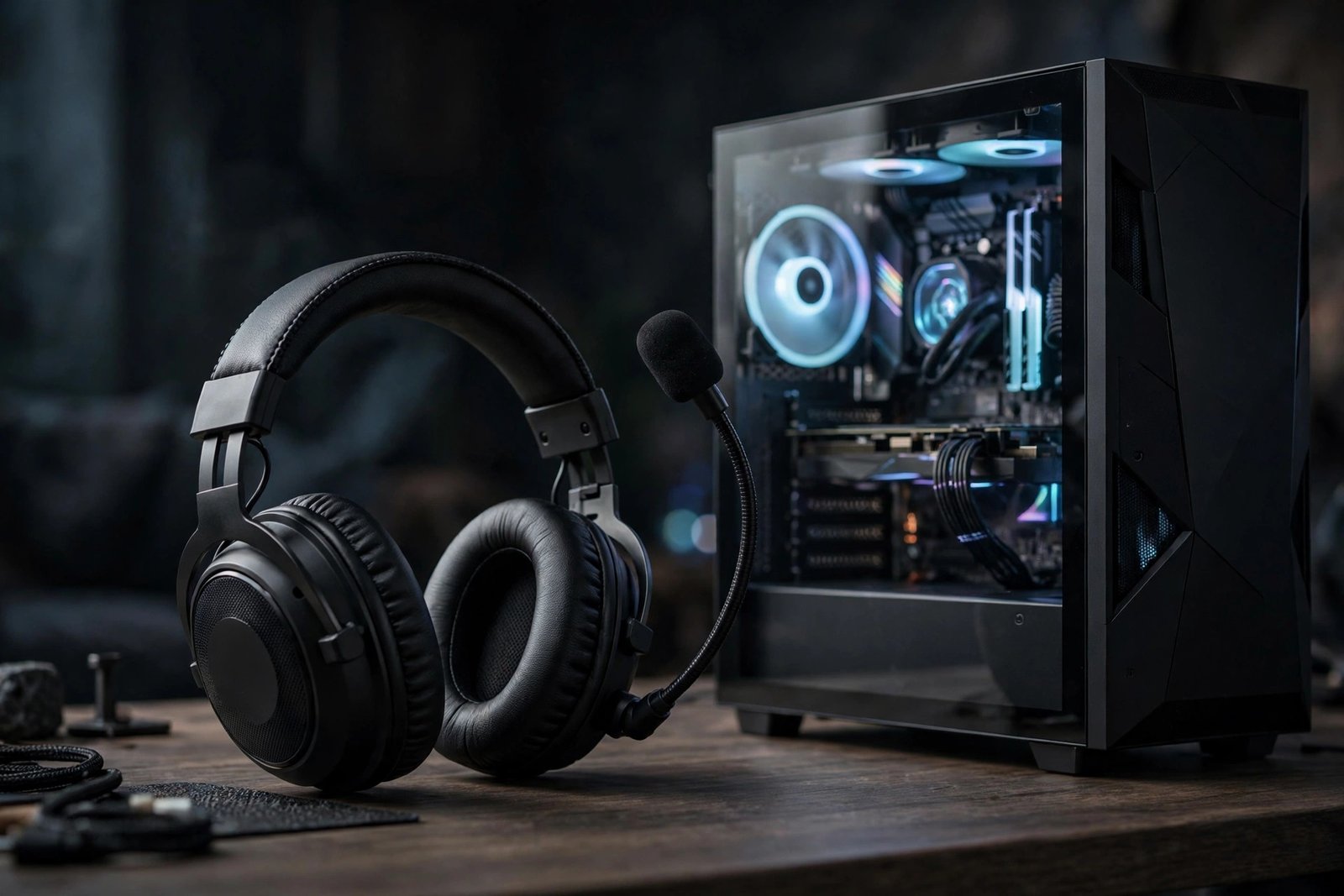
A hundred dollars — roughly £80 — sits in the sweet spot of gaming headsets: above the flimsy no-name Amazon specials that snap within months, but well below the £150+ flagships. The good news for British gamers is that this price bracket is fiercely competitive in 2026, and several genuinely excellent headsets live here. The bad news is that the shelves are also crowded with mediocre options dressed up in gamer aesthetics. Here is how to pick a winner — what actually matters at this price, and which models consistently earn their keep.
What £80 actually buys you in 2026
Set expectations correctly. At this price you get: solid stereo or virtual surround sound, a genuinely usable microphone, comfortable padding for 2–3 hour sessions, and wired or basic 2.4GHz wireless connectivity. You do not get: premium planar-magnetic drivers, broadcast-quality microphones, luxurious all-day comfort, or top-tier wireless with simultaneous Bluetooth. The trick is finding the headset that maximises the first list without pretending to offer the second.
Note the currency wrinkle: the question says “under $100,” but UK shoppers pay in pounds, and post-Brexit pricing means a $99 US headset often retails at £89–£99 here. Shop with a £80–£90 mental budget and compare UK prices at Currys, Argos, Amazon UK, and Scan — prices fluctuate weekly, and last season’s £130 flagship frequently drops into this bracket on sale.
The features that actually matter (ranked)
- Comfort. The most important feature, full stop. A headset with perfect audio that clamps your skull like a vice will live in a drawer. Look for low clamping force, deep earcups that fit around your ears (not on them), and weight under 350g. Glasses wearers should specifically check for glasses-friendly padding.
- Microphone quality. Your teammates hear this, not you. Detachable or flip-to-mute mics are convenient; what matters is clear voice pickup without excessive background noise. Check microphone test videos on YouTube before buying — they reveal more than any spec sheet.
- Sound signature. For competitive shooters, emphasised footsteps and positional cues matter more than bass rumble. For story-driven games, a balanced or slightly warm signature is more enjoyable. Avoid extreme “gamer” V-shaped tuning unless you only play FPS titles.
- Build quality. Metal or reinforced headband sliders, detachable cables, and replaceable earpads dramatically extend lifespan. All-plastic construction with thin hinges is the classic sub-£80 failure point.
- Connectivity. Wired (3.5mm or USB) is simplest and cheapest; 2.4GHz wireless adds freedom but costs more and needs charging. At this budget, a good wired headset beats a compromised wireless one.
Standout picks under £80–£90
Models rotate, but these lines have consistently strong reputations in this bracket:
- HyperX Cloud series (Cloud II / Cloud III). The long-reigning comfort kings of budget headsets — durable aluminium frames, excellent padding, and a genuinely good detachable mic. Frequently discounted to £60–£80.
- Logitech G335 / G432. Lightweight, comfortable, and Logitech’s software EQ is genuinely useful. The G432’s 50mm drivers punch above the price.
- SteelSeries Arctis Nova 1 / 3. Superb comfort with the signature ski-goggle headband, clear mic, and clean design that does not scream “gamer” on work calls.
- Razer BlackShark V2 X. Often under £50 on sale, with surprisingly good audio for the money — the budget pick that embarrasses headsets twice its price.
- EPOS / Sennheiser GSP 300. Audiophile-leaning tuning from Sennheiser’s gaming division; excellent for players who value sound quality over RGB.
Before buying any of them, check recent reviews — RTINGS’ headphone measurements provide objective, lab-tested comparisons of sound, mic, and comfort that cut through marketing claims. UK consumer advice from Which? is also worth checking for reliability data.
Wired vs wireless at this budget
Be honest about your priorities. Wireless freedom is lovely, but sub-£80 wireless headsets compromise somewhere — usually battery life (15–20 hours versus 40+ on premium models), microphone quality, or build. A wired headset at £70 will outperform a wireless one at £70 in every respect except the absence of a cable. If you go wireless, prioritise 2.4GHz dongle models over Bluetooth-only for gaming — Bluetooth latency causes audible lip-sync delay in games and videos.
One underrated option: buy a great pair of wired headphones (£50–£60) plus a clip-on or USB microphone (£15–£20). This “headphones + mic” combo often beats any gaming headset at the same total price for both audio and voice quality — it just lacks the single-device convenience.
Comfort, fit, and looking after your purchase
When your headset arrives, give it a proper trial: wear it for a full gaming session, not five minutes. Earpads soften and headbands loosen slightly over the first weeks, but genuine pressure points will not disappear — return it within the retailer’s window if it hurts. Store it on a stand rather than tossing it on the desk; cable strain at the earcup joint is the most common cause of death. And keep volumes sensible: prolonged gaming above 85dB risks permanent hearing damage, and a headset that tempts you to crank it to hear footsteps is a badly tuned headset. Your setup’s running costs matter too — see how much electricity a gaming PC uses — and if the headset is part of a wider desk upgrade, setting up your monitor properly completes the battlestation.
Protecting your hearing: the spec nobody checks
Gaming headsets sit millimetres from your eardrums for hours — yet almost nobody considers hearing safety when buying. Prolonged exposure above 85dB causes permanent damage, and many headsets comfortably exceed 100dB at full volume. The practical rules: follow the 60/60 guideline (60% volume, 60 minutes, then a break), be suspicious of headsets you must crank to hear dialogue clearly (a sign of poor tuning, not your hearing), and consider models with volume-limiting features if buying for children or teenagers.
Parents take note: children’s hearing is more vulnerable, and gaming sessions stretch long. Set the device-level volume limit (available on PlayStation, Xbox, Switch, and PC) rather than relying on a child to self-regulate — they will not. For adults, tinnitus is the warning sign that damage is accumulating: ringing after sessions means the volume is too high, full stop. The best headset in the world is not worth your hearing, and the good news is that the comfortable, well-tuned models on this list rarely need to be loud to sound excellent.
Conclusion
The best gaming headset under $100/£80 in Britain is not one model but a shortlist: HyperX Cloud, Logitech G, SteelSeries Arctis Nova, Razer BlackShark V2 X, and EPOS GSP lines all deliver genuine quality at this price. Prioritise comfort first, microphone second, and sound third; favour wired over compromised wireless; and always check mic-test videos and lab measurements before buying. Time your purchase around sales and you will often land last year’s £130 headset for £80 — which is the real pro move in this price bracket.
Frequently Asked Questions
Are expensive gaming headsets worth it over budget ones?
Above £80–£100, improvements are incremental — slightly better comfort, mics, and wireless. The jump from a £30 headset to an £80 one is transformative; from £80 to £180, it is refinement.
Do I need 7.1 surround sound in a gaming headset?
Not really. Most “7.1” in headsets is virtual processing of a stereo signal, and good stereo imaging matters more for positional audio. Some players prefer it; none need it.
Can I use a gaming headset for work calls?
Yes — models like the SteelSeries Arctis Nova look understated and have excellent mics. Detachable-mic models are ideal for switching between gaming and professional use.
How long should a budget gaming headset last?
Two to four years with normal use. Detachable cables and replaceable earpads extend this significantly — prioritise those features when choosing.
Is Bluetooth okay for gaming headsets?
For casual single-player gaming, acceptable. For competitive multiplayer, no — Bluetooth latency (often 100–200ms) creates noticeable audio delay. Use 2.4GHz wireless or wired for anything timing-sensitive.