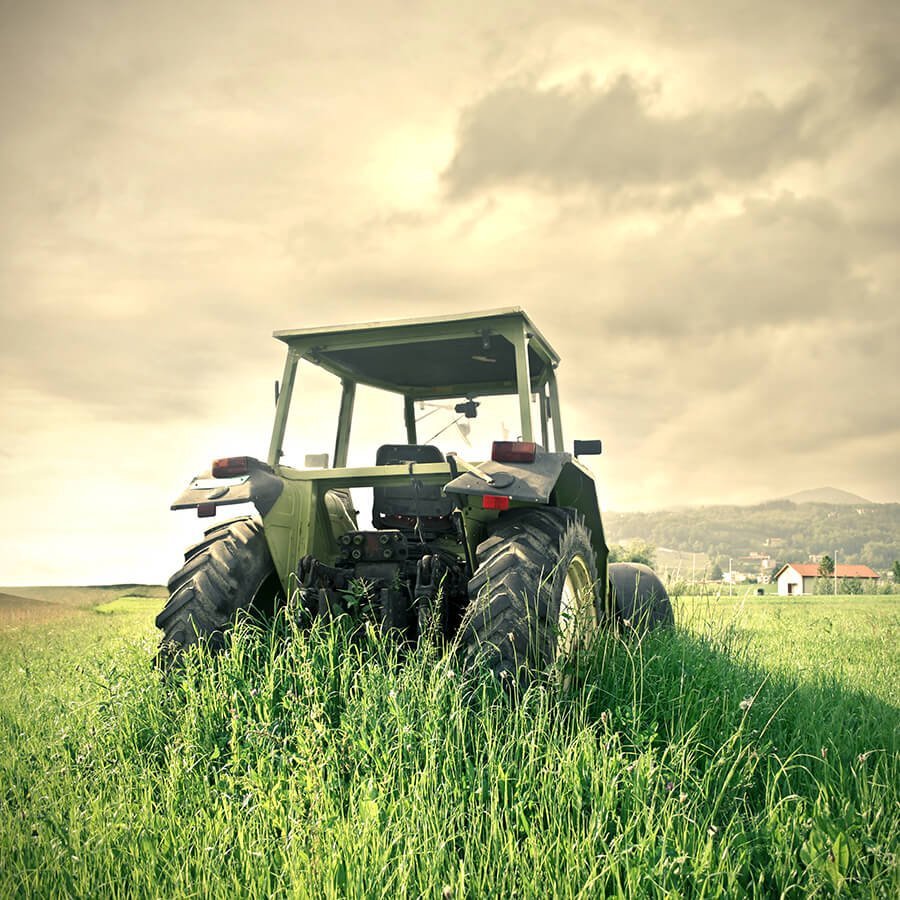
When people picture AI, they imagine offices and smartphones — not muddy fields in Norfolk. But British agriculture is quietly becoming one of AI’s most practical frontiers. How is AI used in farming in the UK? From drones surveying crops to algorithms predicting disease in dairy herds, AI is helping farmers grow more with less — and the examples are more down-to-earth than you’d expect.
How Is AI Used in Farming in the UK? Real Applications
Precision crop monitoring
Drones and satellites capture detailed imagery of fields, and AI analyses it to spot problems invisible from the ground: nutrient deficiencies, pest damage, water stress, disease onset — often weeks before a farmer would notice walking the field. Instead of treating whole fields, farmers target exactly the affected areas.
Precision spraying and weeding
AI-guided sprayers distinguish crops from weeds in real time and spray only the weeds — cutting chemical use by up to 90% in some trials. Robotic weeders do the same mechanically. For UK farmers facing tightening pesticide regulations and rising input costs, this is transformative economics as well as environmental progress.
Livestock health monitoring
- Dairy: AI analyses data from milking robots, activity collars, and cameras to detect mastitis, lameness, and fertility windows days earlier than visual inspection — healthier cows, higher yields, lower vet bills.
- Poultry and pigs: camera and audio monitoring detects respiratory disease and distress behaviours in sheds housing thousands of animals.
- Behavioural analysis: subtle changes in movement or feeding patterns flag illness before it’s visible.
Yield prediction and planning
AI models combining weather data, soil sensors, satellite imagery, and historical yields predict harvests with increasing accuracy — helping with forward selling, storage planning, and input purchasing.
Autonomous machinery
GPS-guided tractors have been around for years; the AI step is machines that perceive and react — autonomous harvesters, robotic fruit pickers (being trialled for soft fruit in Kent, addressing the sector’s chronic labour shortages), and driverless grain carts.
Soil and weather intelligence
AI processes soil sensor networks and hyperlocal weather forecasts to advise on irrigation timing, fertiliser application, and planting windows — taking guesswork out of decisions farmers used to make by feel and almanac.
Why It Matters for the UK Specifically
- Labour shortages. Post-Brexit seasonal worker challenges make automation economically urgent, not just interesting.
- Environmental targets. The UK’s agricultural emissions and water-quality goals push toward precision application — doing more with fewer chemicals.
- Food security. Improving domestic yields and reducing waste matters more in an era of supply-chain fragility.
- Farm economics. Tight margins mean input savings (fuel, chemicals, feed) go straight to viability.
The Challenges
- Connectivity. Rural broadband and mobile coverage remain patchy — AI systems need data connections that many farms lack. (Related: improving rural connectivity.)
- Cost and scale. The technology favours larger operations; small farms need cooperative models or contractor services to access it.
- Skills. Farmers need data literacy alongside agronomy — agricultural colleges are adapting curricula.
- Data ownership. Who owns the farm data AI companies collect? An increasingly important question for the industry.
How UK Farmers Can Get Started With Agri-Tech
You don’t need to be a tech enthusiast to benefit — here’s a pragmatic entry path:
- Start with data you already have. Most modern tractors and combines log yield data. Actually looking at it — field-by-field performance maps — is step one and costs nothing extra.
- Try satellite imagery services. Several providers offer affordable subscriptions giving regular crop-health imagery of your fields. It’s the cheapest way to experience precision agriculture.
- Soil mapping. Electromagnetic soil scanning services map variation across fields, enabling variable-rate fertiliser application — often the fastest payback in input savings.
- Talk to other farmers. Agri-tech adoption spreads farmer-to-farmer. Discussion groups, AHDB events, and shows like LAMMA showcase what’s actually working rather than what’s merely marketed.
- Check funding. Defra’s Farming Innovation Programme and various grants have supported agri-tech adoption — check current schemes on GOV.UK, as they change regularly. The grants often favour precisely the precision technology described here.
- Consider contractors. Drone surveying and precision spraying are available as contractor services — no need to buy the drone yourself.
What This Means for Food Prices and Shoppers
Most consumers won’t notice AI in farming directly — but they’ll feel it indirectly. Precision agriculture cuts input costs (less fuel, fewer chemicals, less waste), which supports farm viability without necessarily raising food prices. More consistent yields mean more stable supply. And reduced chemical use addresses the environmental concerns many shoppers have about conventional farming.
The bigger consumer-visible shift may be transparency: the same data systems that optimise farming can trace food from field to shelf. “This wheat was grown in that field, sprayed only where needed” is a provenance story retailers are already exploring — and one that could reshape how we value sustainably produced food.
The labour question
Honest framing matters: agricultural automation does reduce demand for some manual roles, particularly seasonal picking. But UK farming’s reality is persistent labour shortages, not surpluses — automation is filling gaps, not displacing willing workers. The jobs being created (drone operators, data technicians, robotics maintenance) are higher-skilled and year-round — arguably better jobs, though they require retraining pathways the industry is still building.
Agri-Tech on a Small Farm Budget
Worried this is all for big operations? Practical entry points for smaller farms:
- Free satellite imagery — basic crop-monitoring views are available at low or no cost; enough to spot problem areas.
- Contractor services — hire drone surveying or precision spraying per job rather than buying equipment.
- Second-hand GPS kit — guidance systems hold up well used and transform accuracy for cultivations and spraying.
- Farm discussion groups — shared learning (and sometimes shared equipment) through local groups and AHDB networks.
- Start with soil — soil mapping and variable-rate fertiliser often pay back fastest, whatever your farm size.
It’s a reminder that AI in everyday life extends far beyond phones and laptops — it’s in the fields growing your food, too.
Practical Takeaway
AI in UK farming means drones spotting crop disease early, sprayers that target only weeds, dairy systems that detect illness before symptoms show, and yield models that sharpen business planning — practical tools addressing labour shortages, costs, and environmental pressure. It’s not about replacing farmers; it’s about giving them superhuman observation across thousands of acres and animals. The farm of the near future still needs the farmer’s judgement — it just comes with a lot more data.