
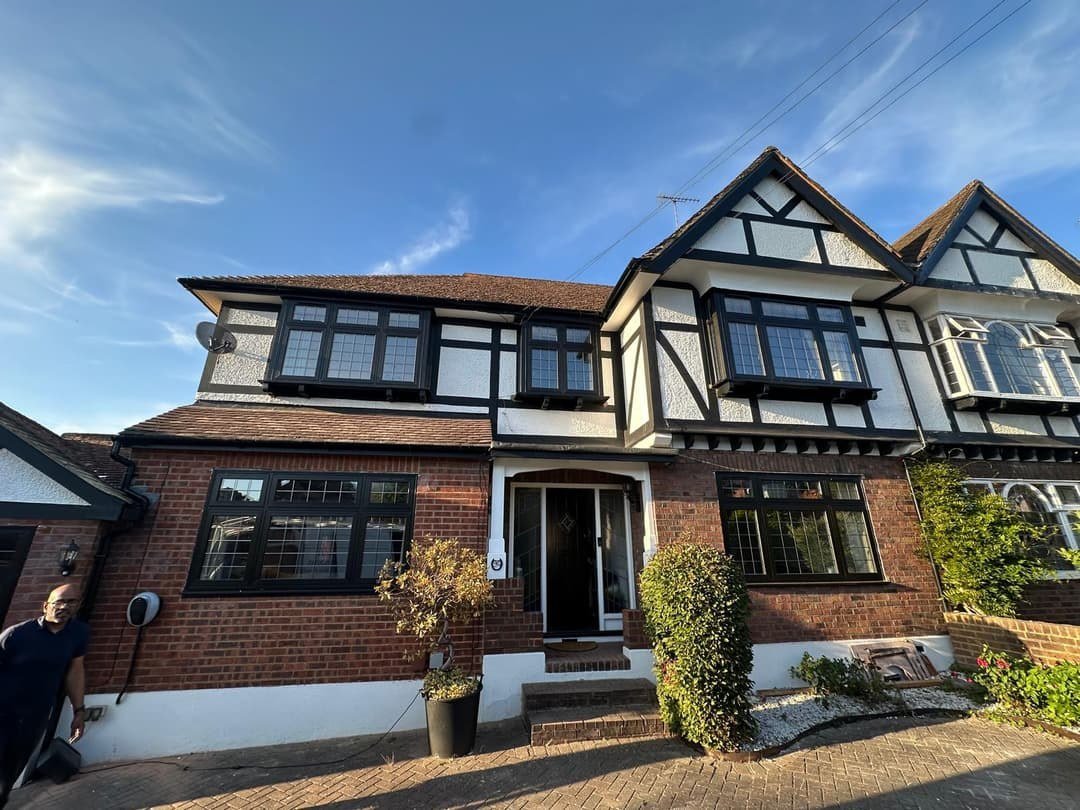
Double glazing is one of the most quoted-for home improvements in Britain — and one of the most confusing to price. The same three-bed semi might attract quotes from £3,000 to £12,000, which tells you everything about how variable this market is. So how much does double glazing cost in the UK? For a typical 3-bed semi with 8–10 windows: £4,000–£7,000 in uPVC is the realistic range. Here’s how to make sense of it.
Prices depend on frame material, window style, glazing spec, property type and — enormously — who quotes. Understanding the components is the only defence against the industry’s more creative sales tactics.
How Much Does Double Glazing Cost in the UK? Prices by Material and Type
uPVC: £300–£600 per window fitted
The default for most UK homes: affordable, low-maintenance, energy-efficient and available in colours beyond white these days. A standard 1200×1200 casement in white uPVC sits around £350–£450 fitted; add colour, woodgrain foil or fancy hardware and it climbs. For most homes, uPVC is the rational choice.
Aluminium: £600–£1,200 per window fitted
Slimmer frames, more glass, contemporary look — the choice for extensions, bifolds and modern homes. Thermally-broken aluminium performs well, but it’s roughly double the uPVC price. Worth it where the slim sightlines matter aesthetically.
Timber: £800–£1,500+ per window fitted
Essential for listed buildings and conservation areas, beautiful everywhere else. Modern engineered timber with factory finishes lasts decades, but it’s the priciest option and needs periodic maintenance. Accoya and similar modified timbers narrow the maintenance gap.
Specialist types
Sash windows (new, not overhauled): £900–£1,800 each. Bay windows: £1,200–£3,000 depending on size and segments. Bifold doors: £1,500–£4,000+. French doors: £900–£1,800. Always get these priced individually — they’re where quotes diverge most.
What Drives the Price Up (and Down)
- Glazing spec: standard double glazing vs argon-filled, low-E coated, acoustic or triple glazing. A-rated as minimum; triple glazing adds 20–30% and suits exposed or noisy locations.
- Security: multi-point locking is standard now; laminated glass on ground floors adds cost but real security.
- Scaffolding: upper-floor windows on some properties need it — £400–£800 a side — and it’s often “forgotten” from initial quotes.
- Finishing: internal plastering repairs, new sills, architraves and making-good are sometimes extras. Ask.
- Quantity discounts: doing the whole house at once is far cheaper per window than doing two now, two later — the fixed costs (survey, scaffolding, fitting team) spread thinner.
How to Buy Without Getting Ripped Off
The double-glazing industry’s reputation exists for a reason, so buy defensively. Get at least three quotes — ideally a mix of national firms, regional installers and local fitters. Never sign on the first visit; the “today-only discount” is theatre — the same discount will be available next week. Check FENSA or CERTASS registration (legally required for replacement windows in England and Wales — it certifies compliance with building regulations and provides the certificate you’ll need when selling). Insist on an insurance-backed guarantee (10 years minimum) from a provider like DGCOS or GGF, so the warranty survives if the installer folds.
Which?’s double-glazing buying guide is excellent on vetting installers and understanding quotes, and their reviews name the firms customers actually rate. Also check whether you’re in a conservation area or a listed building before falling in love with uPVC — planning restrictions may dictate timber and limit what you can install.
Is It Worth It? The Payback Question
Honest answer: double glazing’s financial payback through energy savings alone is slow — the Energy Saving Trust puts typical savings around £110 a year for a semi upgrading from single glazing, implying a 30+ year payback on a £5,000 install. But that’s not the whole story: comfort (no more cold draughts or condensation streaming downstairs), noise reduction (dramatic near roads), security, and saleability all count. Estate agents consistently say good windows help sell homes, even if they don’t add pound-for-pound value.
If your frames are sound and budget is tight, professional draught-proofing plus secondary glazing delivers much of the comfort for a fraction of the cost. Replace when frames are failing, you’re renovating anyway, or the noise and cold are genuinely affecting your quality of life — not because a salesman with a clipboard says your windows are “costing you a fortune”.
Grants and Help with Costs
Before paying full price, check what help exists. The Great British Insulation Scheme and ECO4 can fund energy-efficiency improvements — including glazing in some cases — for eligible low-income households. Local authority Green Homes Grants appear periodically with varying criteria. If someone in the household receives certain benefits, it’s always worth checking gov.uk’s energy-efficiency guidance for current schemes. And don’t forget the VAT angle: energy-saving materials installed in homes can qualify for reduced-rate VAT in some circumstances — ask your installer, as the saving is real but the rules are specific. Even without grants, the comfort and noise benefits make this one of the most satisfying upgrades you can buy.
Triple Glazing: Worth Considering?
Triple glazing adds roughly 20–30% to the cost of double and improves U-values from around 1.2 to around 0.8 W/m²K. In most of England, the extra saving is marginal and the payback stretches past the windows’ lifespan — good double glazing is the sweet spot. Where triple earns its place: exposed rural or coastal properties, homes under flight paths or beside busy roads (the acoustic improvement is significant), and north-facing rooms that never warm up. If you’re already paying for premium frames, the upgrade cost is proportionally smaller. Just check the weight: triple-glazed units are heavy, and older openings may need reinforcement.
And a final word on timing your installation: autumn is the industry’s busiest season as everyone rushes to beat winter, which means longer lead times and less negotiating room. Book in spring or summer for faster fitting dates and keener pricing — installers are hungrier for work and more flexible on price. Just avoid the trap of “we can fit next week” from a cold-caller; legitimate firms have orderly diaries, not desperate gaps.
Further Reading
You might also find our guide to stopping condensation on windows useful.
The Takeaway
Budget £4k–£7k for a typical semi in uPVC, get three quotes, check FENSA registration and insurance-backed guarantees, never sign on day one, and do the whole house at once. Buy it for comfort, quiet and security — the energy savings are the bonus, not the business case.






One thought on “How Much Does Double Glazing Cost in the UK?”