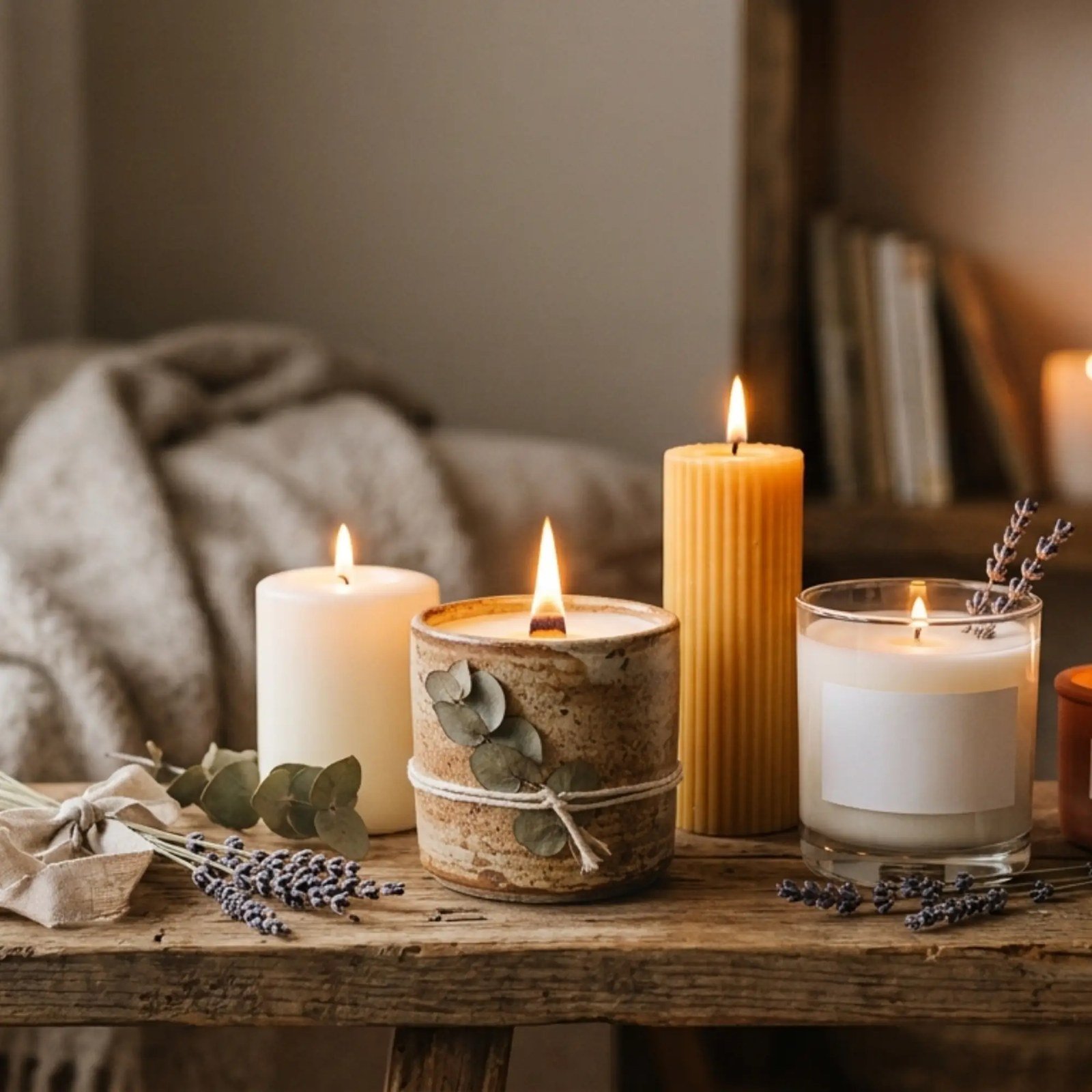
You know the feeling: you walk into someone’s house and it just smells… good. Not overpowering, not artificial — just fresh and welcoming. Meanwhile your own place has a mysterious background odour you’ve gone nose-blind to. Learning how to make your home smell nice naturally in the UK isn’t about masking smells with chemical plug-ins (which, frankly, often smell worse than the problem). It’s about removing the bad smells first, then layering in natural fragrance the simple, old-fashioned way.
The order matters: eliminate, then fragrance. No candle in the world fixes a bin that needs emptying.
How to Make Your Home Smell Nice Naturally: Step 1 — Eliminate the Sources
Before adding any nice smells, hunt down the bad ones:
- Bins: empty regularly, wash the bin itself monthly (a quick blast with the shower head and some disinfectant), and use bicarbonate of soda in the bottom to absorb odours.
- Soft furnishings: sofas, curtains and rugs absorb smells over time. Sprinkle bicarbonate of soda on carpets and upholstery, leave for 30 minutes, vacuum thoroughly. Wash cushion covers and throws regularly.
- The fridge: an open box of bicarbonate of soda inside absorbs odours; bin anything past its prime weekly.
- Drains: pour bicarbonate of soda followed by white vinegar down smelly drains, wait 15 minutes, flush with boiling water.
- Pet areas: wash bedding weekly — see our guide to keeping a house clean with pets for the full routine.
- Damp: musty smells mean moisture. Ventilate (open windows daily, use extractor fans), and address the cause — persistent damp needs fixing, not fragrancing.
Step 2 — The Simmer Pot (The Best Trick There Is)
If you learn one thing from this article, make it the simmer pot. Fill a saucepan with water, add aromatics, and simmer on the lowest heat for a few hours. The whole house smells incredible for pennies. Combinations:
- Classic cosy: orange slices, cinnamon sticks, cloves, a splash of vanilla.
- Fresh and clean: lemon slices, rosemary sprigs, a few drops of vanilla.
- Autumn: apple slices, cinnamon, star anise, bay leaves.
- Festive: cranberries, orange, cinnamon, pine sprigs.
Keep the water topped up and never leave it unattended. A slow cooker on low does the same job hands-free. This is the highest-impact, lowest-cost home fragrance method in existence.
Step 3 — Natural Fragrance Around the House
Essential oils (used properly)
A few drops in a diffuser, on a cotton ball tucked behind a radiator, or in a spray bottle with water for a room mist. Good all-rounders: lavender (calming), lemon (fresh), eucalyptus (clean), peppermint (energising). Buy from reputable suppliers — cheap “fragrance oils” aren’t the same thing. Note: some essential oils are toxic to cats and dogs, so check before diffusing around pets. If anyone in the household has asthma or fragrance sensitivities, check Allergy UK’s guidance before introducing new scents.
Dried botanicals
- Dried lavender: in drawers, wardrobes and under pillows. Lasts for months, smells wonderful, repels moths.
- Eucalyptus bunch: hang from the shower head — the steam releases the scent. Lasts weeks, looks beautiful.
- Dried citrus garlands: decorative and fragrant; easy to make in a low oven.
- Herb bundles: rosemary, thyme and bay tied with string — hang in the kitchen, use in cooking when needed.
Beeswax candles
Beeswax candles burn cleaner than paraffin (which releases soot and questionable compounds) and have a natural subtle honey scent. They’re pricier, but they burn longer. For scented candles generally: look for soy or beeswax with essential oils rather than synthetic fragrance, and never leave them burning unattended.
Coffee and vanilla (the estate agent trick)
There’s a reason estate agents brew coffee before viewings — the smell signals “home”. Simmer vanilla extract in water, or just bake something. The smell of baking bread or cookies makes any house feel welcoming. It’s not subtle, but it works.
Room-by-Room Natural Fragrance
- Entrance/hallway: first impressions matter. A reed diffuser or a bowl of dried citrus and cinnamon near the door.
- Living room: the simmer pot before guests arrive; beeswax candles for evenings. Our cosy living room guide pairs scent with the full atmosphere.
- Kitchen: simmer lemon and herbs after cooking fish or curry; keep a small herb pot on the windowsill (basil and mint scent the air when brushed).
- Bedroom: lavender — pillow spray, dried bunches, or a diffuser an hour before bed. Our bedroom relaxation guide covers the sleep-friendly setup.
- Bathroom: eucalyptus on the shower head; a reed diffuser (humidity helps disperse scent); keep it fresh with regular cleaning rather than heavy fragrance.
Houseplants That Smell Good
Double-duty plants: fragrance plus air-freshening greenery.
- Jasmine: intensely fragrant flowers; needs a bright spot.
- Gardenia: beautiful scent, fussy care — for the committed.
- Scented geraniums: rose, lemon or mint-scented leaves; easy on a sunny windowsill.
- Herbs: rosemary, mint, basil — brush past them for instant fragrance. See our indoor plant guide for care basics.
What to Avoid
- Plug-in air fresheners: often contain phthalates and VOCs; the scent is cloying and the “freshness” is an illusion. If you must, choose sparingly.
- Over-fragrancing: the goal is “hmm, smells nice in here”, not a department store perfume counter. One or two scent sources per room, max.
- Masking real problems: persistent mustiness, gas smells, or sewage odours need investigating, not covering. If in doubt, call a professional.
Rotate your scents with the seasons and the house always feels fresh. Spring: cut flowers and open windows. Summer: citrus and herbs, eucalyptus in the shower. Autumn: simmer pots with apple and cinnamon, dried orange garlands. Winter: pine, clove, beeswax candles, the smell of baking. Seasonal rotation prevents “nose blindness” (where you stop noticing a constant scent) and makes the home feel in tune with the year. It’s a small ritual with an outsized effect on how your home feels.
Trust your nose over any list, including this one. Scent is deeply personal — what one person finds calming, another finds cloying. Experiment with small amounts, notice what you actually enjoy coming home to, and build your home’s signature scent around that. The goal was never a specific fragrance; it’s a home that smells like yours, at its best.
The Practical Takeaway
Making your home smell nice naturally means: eliminate odour sources first (bins, soft furnishings, drains), then layer natural fragrance — simmer pots for impact, essential oils and dried botanicals for background, beeswax candles for atmosphere. It’s cheaper than plug-ins, healthier, and smells genuinely better. Put a simmer pot on this weekend and see (smell) the difference.