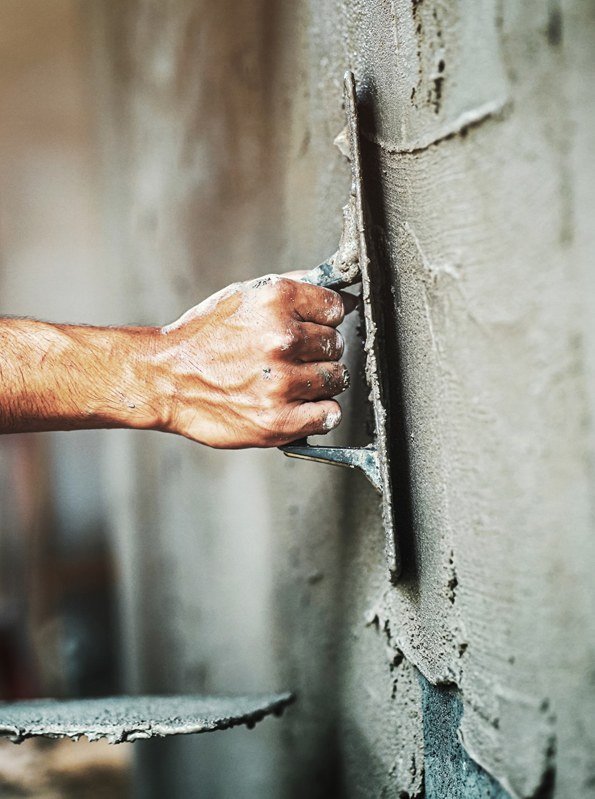
Plastering is the invisible craft behind every perfect wall — and one of the hardest trades to price, because “plastering a room” can mean anything from a quick skim to a full strip-back and reboard. So how much does it cost to plaster a room UK wide? A straightforward skim coat on an average room runs £400–£700; a full plastering job (boarding + plaster) runs £800–£1,500. Here’s how to understand quotes and avoid paying for work you don’t need.
First, the terminology. Skimming = a 2–3mm coat of finishing plaster over existing sound walls to give a perfect surface. Plastering (full) = new plasterboard on walls/ceilings plus skimming, or traditional two-coat work on bare walls. Rendering = the exterior equivalent (different trade, different prices). Most room refreshes need skimming, not full plastering.
How Much Does It Cost to Plaster a Room UK? Prices by Job Type
- Skim an average bedroom (3m x 4m): £400–£700. A day’s work for a good spread, sometimes a day and a half.
- Skim a living room (4m x 5m): £600–£900.
- Ceiling only (re-skim): £200–£400 — ceilings are the most skilled part and priced accordingly.
- Full room: board + skim: £800–£1,500 depending on size and whether ceilings are included.
- Hallway, stairs and landing: £800–£1,200 — awkward access and high ceilings add time.
- Day rate: £200–£350 per day per plasterer, varying hugely by region (London: £300+).
Plasterers often price per square metre for larger jobs: £15–£25/m² for skimming, £30–£50/m² for boarding + skim. Checkatrade’s plastering cost guide benchmarks these figures usefully.
What Drives the Price
- Condition of existing walls: blown plaster that needs hacking off, Artex that needs covering or removing, and damaged walls all add prep time. Artex may contain asbestos (pre-2000) — test before disturbing; licensed removal transforms the cost.
- Access and height: stairwells, high ceilings and awkward rooms take longer.
- Extras: coving removal/refitting, new plasterboard on ceilings, patching around new electrics or plumbing.
- Region: the South East runs 30–50% above the North and Midlands.
- Timing: good plasterers are booked weeks ahead; anyone available tomorrow for a big job warrants caution.
Skim vs Alternatives: Do You Need Plastering At All?
Be honest about what the walls need. Sound walls with minor imperfections: a good decorator can fill, sand and line with heavy-duty lining paper for a flawless finish at a fraction of plastering cost — lining paper is the unsung hero of wall renovation. Walls with texture (woodchip, heavy Artex): skimming over is usually cheaper and better than stripping. Blown or crumbling plaster: hack off the failed areas, patch, then skim the room — or reboard the worst walls. New extensions: plasterboard + skim is standard and priced per m².
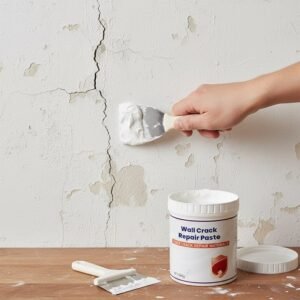
Our guide to repairing cracked plaster covers the smaller fixes that don’t need a spread at all.
Getting Quotes and Choosing a Plasterer
Plastering is intensely skill-dependent — a bad skim is worse than no skim. Get three quotes, see previous work (finished and painted, not just fresh plaster — paint reveals flaws), and ask how long they’ve been spreading. Check reviews specifically mentioning finish quality. Agree: exact scope (which walls/ceilings), preparation included, protection of floors and fixtures, cleanup, and payment terms (never pay in full upfront; staged or on-completion is standard). Our tradesperson guide covers the full vetting process.
Timing matters: plaster needs to dry fully before decorating — typically 1–2 weeks for a skimmed room (longer in winter). Don’t let a decorator start early; paint on damp plaster peels. And new plaster needs a mist coat (emulsion thinned with water) before topcoats — painting straight onto bare plaster is the classic way to ruin both.
DIY Plastering: Should You?
Honest answer: patching and small repairs, yes; skimming a whole room, almost certainly not. Plastering is a genuine craft — the trowel skills take months to develop, and plaster sets in 60–90 minutes whether you’re ready or not. A DIY skim usually ends with a call to a plasterer to fix it, costing more than hiring one initially. What you can do: the preparation (clearing rooms, removing old wallpaper, protecting fixtures), which saves the plasterer’s time and your money.
Plastering and Damp: The Order of Operations
Never plaster over active damp — it’s the most expensive mistake in this trade. If walls are damp, diagnose and fix the moisture source first (see our mould guide and damp guide), let walls dry thoroughly (weeks, not days — a moisture meter reading below 15% is the target), then plaster. Plastering over damp traps moisture, blows the new plaster within months, and voids any guarantee. A good plasterer will refuse to skim damp walls — if yours doesn’t mention it, find one who does. Similarly, fix leaks, repointing and guttering before the plasterer arrives, not after. The sequence is always: water out, structure sound, plaster last.
Questions to Ask Before Hiring
Use these on every quoting visit: How long have you been plastering, and can I see finished work? Is this a skim or does it need boarding — and why? What’s included (materials, protection, cleanup)? How do you handle Artex or damaged areas? When can you start, and how long will the room be unusable? What are your payment terms? How do I prepare the room? The answers reveal competence instantly — a good spread diagnoses the walls, explains the approach, and quotes precisely. A vague “yeah, couple of days, £500 cash” reveals the opposite. Trust the detailed one, even if they’re not the cheapest.
And one thing to clarify upfront with every plasterer: who moves the furniture and protects the floors? Good spreads sheet everything and clean up properly; the quote should say so. If you’re expected to clear the room and lay your own dust sheets, that’s fine — but it should be agreed, not assumed. The cheapest quote that leaves you with plaster-spattered carpets isn’t the cheapest quote.
The Takeaway
Budget £400–£700 to skim an average room, get three quotes from plasterers whose finished work you’ve seen, allow drying time before decorating, and don’t DIY the skim. It’s the foundation every perfect wall is built on — worth paying a proper spread to get right.