
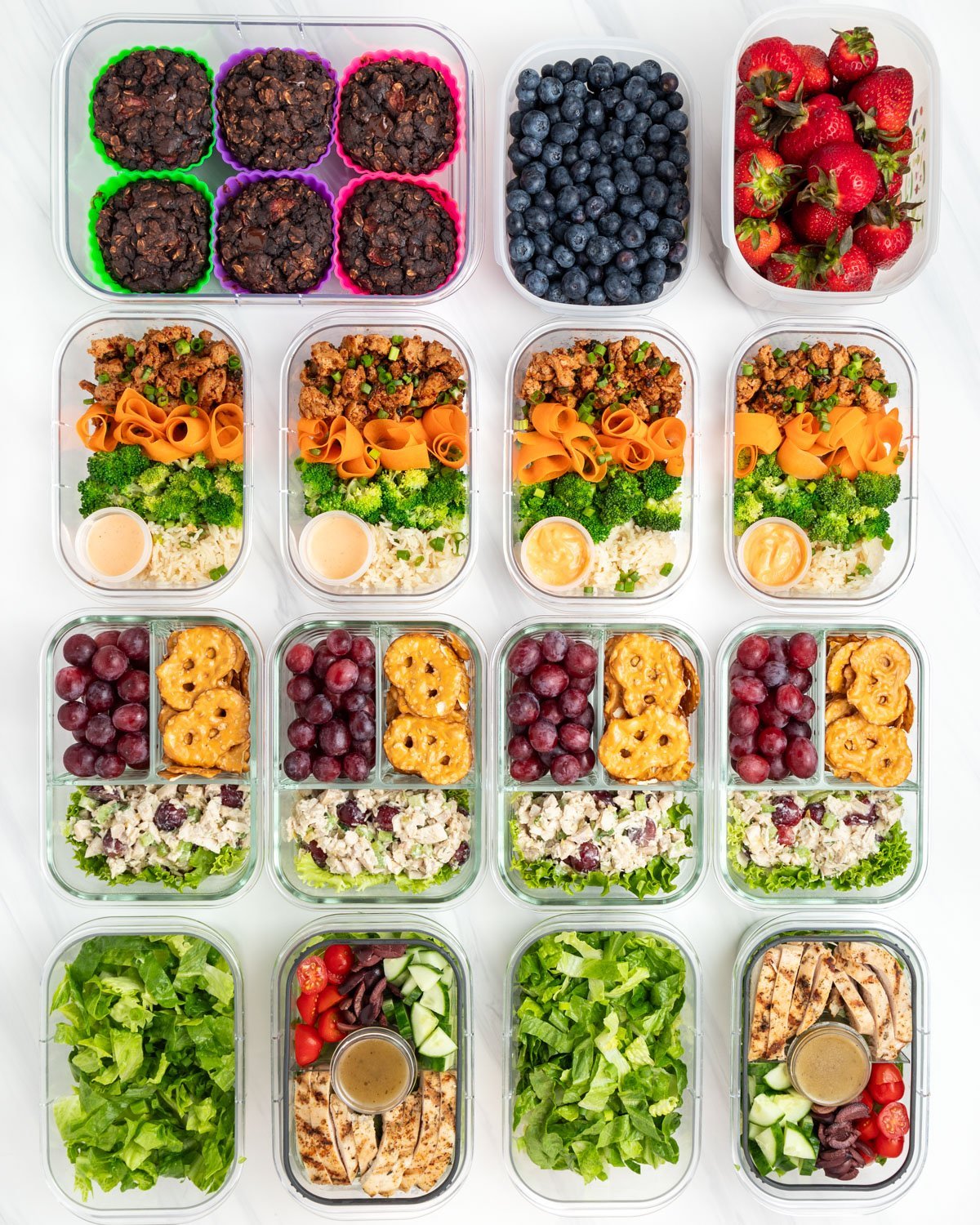
Meal planning is one of those things everyone agrees is a good idea and almost nobody sustains. The deciding-what-to-cook part is genuinely draining — decision fatigue is real at 6pm on a Tuesday. That’s exactly why learning how to use AI for meal planning is worth it: AI is tireless at the boring parts (generating ideas, building shopping lists, using up leftovers) while you keep the fun parts (eating).
Here’s how to set it up so it actually sticks.
How to Use AI for Meal Planning: The Weekly System
Step 1: Give it your constraints
The magic is in the brief. Tell the AI:
- Household: “2 adults, 1 vegetarian, 1 child aged 8 who hates spicy food.”
- Budget: “£80/week for groceries at Tesco.”
- Time: “30 minutes max on weeknights, one bigger cook on Sunday.”
- Equipment: “oven, hob, air fryer, slow cooker.”
- Goals: “high protein”, “eat more veg”, “use up what’s in the fridge”.
Step 2: Ask for the full package
A good prompt: “Create a 7-day dinner meal plan for [household]. Budget £80/week, 30-min weeknight meals, one batch-cook Sunday meal. Include a consolidated shopping list organised by supermarket section, and estimated costs. Flag which meals produce leftovers for lunch.”
You get: the plan, the list, and the budget math — the three things that make meal planning feel like work.
Step 3: Iterate on reality
“Swap Thursday — we have football practice.” “Make three of these vegetarian.” “We hated the lentil thing last week, never again.” The plan improves as the AI learns your household’s actual preferences. Save your constraints as a reusable prompt so you don’t retype them weekly.
Clever Uses Beyond the Weekly Plan
- Use-up-the-fridge cooking. “I have chicken thighs, half a cauliflower, coconut milk, and rice. What can I make in 30 minutes?” — the single best food-waste fighter.
- Batch cooking plans. “Give me 3 batch-cook recipes that freeze well and share ingredients to keep costs down.”
- Lunchbox ideas. A month of varied packed lunches is genuinely hard to brainstorm; AI does it in seconds.
- Adapting recipes. “Make this recipe dairy-free / halve it / convert US cups to grams.”
- Seasonal and budget eating. “What’s cheap and in season in the UK in October? Build 5 meals around it.”
Pair this with broader healthy-eating guidance: eating healthy on a UK budget and saving money on groceries.
What to Watch Out For
- Verify nutrition claims. AI can misstate calories and macros. For anything health-critical, cross-check with reliable sources like NHS Eat Well.
- Allergies need human oversight. Always double-check ingredients yourself if anyone has allergies — AI omissions here could be dangerous.
- Recipes may need testing. AI-generated recipes are usually sound but occasionally have odd timings or ratios. Use your judgement (and a food thermometer).
- Don’t share health conditions unnecessarily. Keep medical details general — see AI chatbot privacy.
Making AI Meal Planning Stick: The Sunday Reset
The difference between people who meal-plan for years and people who quit by February isn’t willpower — it’s having a repeatable routine. Here’s a 30-minute Sunday system that works:
- Check the fridge (5 min). Note what needs using up. Photograph the inside of your fridge if you’re planning on the sofa later.
- Check the calendar (5 min). Late meetings, kids’ clubs, dinner invitations — the plan must fit your actual week, not an ideal one.
- Generate the plan (10 min). Run your saved master prompt with this week’s constraints. Review the output and swap anything that doesn’t appeal — a plan you resent is a plan you’ll abandon.
- Write the shopping list (5 min). The AI generates it; you check it against what you already have. Nothing kills a budget faster than buying duplicates.
- Prep one thing (5 min+). Even small prep — washing veg, cooking rice, marinating protein — dramatically increases the odds you’ll cook on Wednesday.
Handling fussy eaters and mixed households
The classic problem: one vegetarian, one carnivore, one child who only eats beige food. AI handles this better than you’d expect — ask for “modular meals” where a base (rice, pasta, wraps) gets different toppings per person. One cook, three happy eaters. For the beige-food child, ask for “gradual exposure” meal plans that introduce one new food alongside safe favourites each week, rather than overhaul attempts that end in tears (yours and theirs).
When to ignore the plan
A meal plan is a default, not a prison. Leftovers from a weekend roast, a surprise invitation, a day when cooking feels impossible — the plan should flex. The goal is reducing average chaos and waste, not achieving perfect compliance. People who allow 1–2 flexible meals a week stick with planning far longer than perfectionists.
Troubleshooting Common Problems
- “The portions are wrong.” Tell the AI your household’s appetites explicitly (“hearty portions for two adults, small for one child”) and adjust over 2–3 weeks.
- “It’s too repetitive.” Ask for a two-week rotating plan, or specify “no repeated dinners within 10 days.”
- “The shopping list missed things.” Ask the AI to cross-check the list against the recipes before finalising — “verify every ingredient appears on the shopping list.”
- “I got bored.” Theme your weeks: Italian week, curry week, “use up the freezer” week. Novelty sustains the habit.
Meal Planning With a Partner or Family
Planning for one is easy; planning for a household needs buy-in. Tips that work:
- Share the plan visibly — fridge whiteboard or shared note. “What’s for dinner?” disappears as a question.
- Give everyone one veto per week. Removes the resentment of imposed menus; keeps the planner sane.
- Rotate the “chef’s choice” night. Each person picks one meal weekly — including kids. Participation kills complaints.
- Plan around the cook’s energy. Hard day? The plan should have an easy meal ready. AI can tag recipes by effort — ask it to.
Practical Takeaway
Using AI for meal planning works when you treat it as your sous-chef: give it detailed constraints once, get back a weekly plan with shopping list and costs, then iterate as you learn what your household actually eats. The fridge-clear-out prompt alone will cut your food waste noticeably. Save your master prompt, run it every Sunday, and reclaim the mental energy you used to spend wondering what’s for dinner.








One thought on “How to Use AI for Meal Planning: Eat Better, Waste Less”