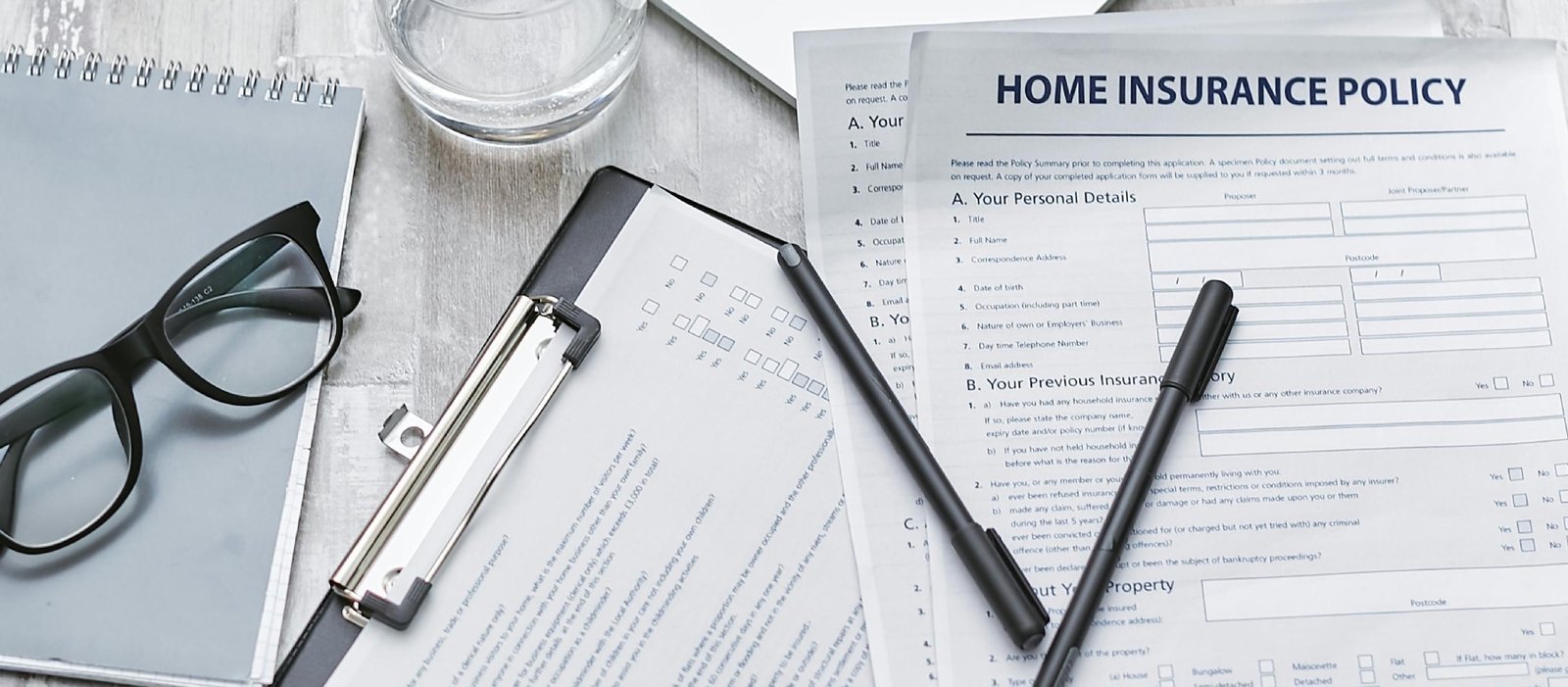
You’re running a business from your spare room. Do you really need insurance? It feels like overkill — until the courier trips on your doorstep, a client alleges your advice cost them money, or your £3,000 of stock goes up in smoke. Here’s the honest answer to whether you need insurance for a home-based business in the UK: usually yes, at least some — and it’s cheaper than you think.
The dangerous myth is “my home insurance covers it”. In most cases, it doesn’t — and worse, running a business from home without telling your insurer can invalidate your home insurance entirely. Let’s sort out what you actually need.
Do I Need Insurance for a Home Based Business UK?
There’s no general legal requirement for most home-based businesses to hold insurance (unlike, say, employers’ liability if you hire staff — that’s legally mandatory). But “not legally required” and “not needed” are very different things. You need insurance if:
- Clients visit your home — if someone is injured on your property (trips on the step, scalded by the kettle), you’re liable. Public liability cover handles this.
- You visit clients’ premises — damage their property or injure someone while working, and you’re liable there too.
- You give professional advice — if a client claims your advice caused them financial loss, professional indemnity is your shield.
- You hold stock or expensive equipment at home — standard home contents policies typically exclude business equipment and stock, or cap it at trivial amounts.
- You employ anyone (even part-time, even family) — employers’ liability insurance (£5m minimum) is legally required, with fines of £2,500/day for non-compliance.
The only home businesses that can reasonably skip insurance entirely: pure digital freelancers with no client visits, no employees, minimal equipment, and no professional advice liability — and even then, professional indemnity is worth considering.
The Home Insurance Trap (Read This Part)
This is the bit that catches people out. Standard UK home insurance policies:
- Often exclude business use entirely — or require you to disclose it. Failing to disclose business use can void the whole policy, including cover for your personal possessions.
- Typically cap business equipment at £1,000–£2,500 (if covered at all) — inadequate if your home office holds £5,000 of computers, cameras or tools.
- Almost never cover stock — your garage full of products for your Etsy shop? Uninsured under a standard policy.
- Don’t cover business interruption — if a fire shuts down your home business for a month, home insurance won’t replace the lost income.
Action required: call your home insurer today and disclose the business. In many cases they’ll simply note it (sometimes with a small premium increase); in others they’ll add a business-use extension. Either way, you’re covered — which is the point. If they won’t cover it, that’s your signal to shop for a specialist policy. Also check whether running the business from home is permitted under your mortgage/tenancy terms — insurers and lenders ask similar questions.
What Types of Insurance Do Home Businesses Need?
Public liability insurance
Covers injury to third parties or damage to their property arising from your business. The classic home-business scenarios: a client trips on your premises, you spill coffee on a client’s laptop during a home meeting, your dog (be honest about the dog) knocks over a visitor. £1m–£2m cover is standard; costs £50–£150/year for low-risk home businesses. Many clients and marketplaces require proof of it.
Professional indemnity insurance
Covers claims that your professional advice or services caused a client financial loss. Essential for: consultants, designers, developers, marketers, coaches, accountants, tutors — anyone whose work involves expertise a client relies on. A client claiming your £2,000 website rebuild cost them £30,000 in lost sales is the nightmare scenario this covers. Costs £100–£400/year depending on profession and cover level. Some professions (solicitors, financial advisers) are required to hold it by their regulators.
Business contents / equipment cover
Covers your business equipment (computers, tools, cameras, machinery) and stock against theft, fire, flood and accidental damage — at home and often in transit. If your home office contains more than a couple of thousand pounds of kit, this is essential. Often bundled with public liability in a home business package policy (£150–£400/year all-in).
Business interruption cover
Replaces lost income if an insured event (fire, flood) stops you trading. For businesses where even a week offline means serious losses, worth considering. Often available as an add-on.
Product liability insurance
If you make or sell physical products — food, cosmetics, children’s items, anything that could injure someone or damage property — product liability is essential. A customer with an allergic reaction to your handmade soap is the scenario. Often bundled with public liability. Note: food and cosmetics businesses have additional regulatory obligations beyond insurance.
Cyber insurance
Increasingly relevant if you hold customer data. Covers the costs of data breaches — notification, recovery, legal defence, regulatory fines. Worth considering if you store significant customer personal data; less critical for a sole-trader designer with 20 clients.
How Much Does Home Business Insurance Cost?
Less than most people fear:
- Basic package (public liability £1m + business contents £5k): £100–£250/year.
- With professional indemnity (£1m): £200–£500/year depending on profession.
- Comprehensive (all of the above + higher limits): £400–£800/year.
That’s £8–£65/month — trivial against the risks. Compare providers: Simply Business, Hiscox, Direct Line for Business, Superscript, PolicyBee all serve the home-business market well. Get 3 quotes; the variation is significant. And remember these premiums are tax-deductible business expenses — see our sole trader expenses guide.
What About Specific Situations?
- Childminding from home: Ofsted registration requires public liability insurance — non-negotiable, and specialist childminder policies exist (Morton Michel, PACEY).
- Food business from home: you need local authority registration/inspection plus product liability. Home insurers are particularly twitchy about commercial food preparation — disclose it.
- Renting? Check your tenancy agreement — many prohibit business use without landlord permission. Get it in writing before investing in the setup.
- Employing family members? Employers’ liability still applies — “it’s just my spouse helping out” doesn’t exempt you if they’re legally an employee.
The Bottom Line
Call your home insurer today and disclose the business — that’s step one, costs nothing, and protects your existing cover. Step two: get quotes for a home business package (£100–£300/year typically) covering public liability and business contents, plus professional indemnity if you advise clients. It’s one of the cheapest forms of business protection available, it’s tax-deductible, and the day you need it, you’ll be extraordinarily glad you have it. For the broader startup picture, our guide to starting a small business covers insurance alongside the other essentials.
Insurance is one part of the home-business legal picture — gov.uk’s guide to running a business from home covers the planning, tax and rates considerations alongside it.