
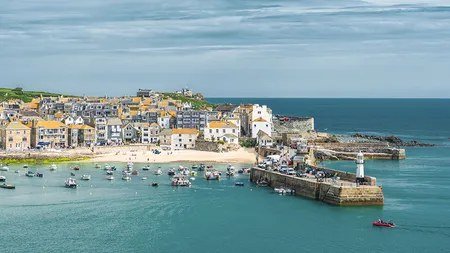
Cornwall in August: glorious beaches, heaving roads, and accommodation prices that make your eyes water. Cornwall in February: windswept, half the restaurants closed, and gloriously empty. The best time to visit Cornwall depends entirely on what you want from it — and getting the timing right transforms the trip. I’ve visited in every season, and each has a completely different personality. Here’s the honest month-by-month breakdown.
Best Time to Visit Cornwall: The Short Answer
Late May to June, and September are the sweet spots: warm enough for the beach, long daylight hours, wildflowers or golden light, and — crucially — before/after the school holiday crowds and price surges. If you can only pick one month: June. If you’re tied to school holidays, read the August section carefully — it’s manageable with the right strategy.
Month by Month
January – February: The wild winter
Storm-watching season. Huge Atlantic swells, dramatic skies, empty beaches — and many attractions, restaurants and B&Bs closed. But: the cheapest accommodation of the year, cosy pub fires, and the coast path at its most elemental. For walkers and writers, it’s magical. For beach holidays, obviously not. Pack for our autumn staycation list plus extra layers — winter needs more.
March – April: Spring awakening
Daffodils, wildflowers on the cliffs, lambs in the fields — Cornwall in spring is quietly beautiful. Easter week gets busy (and pricey), but outside school holidays it’s peaceful and increasingly mild. Many attractions reopen for Easter. A lovely time for walkers; still bracing for swimmers (the sea is at its coldest in March).
May: The secret best month (almost)
Long days, warm sun (often), bluebells and wild garlic in the woods, and the crowds haven’t arrived. The sea is still chilly but warming. Accommodation prices are pre-summer. This is when savvy regulars visit — and the Visit Cornwall site’s spring guides confirm it’s one of the finest times for the coast path.
June: The sweet spot
Everything May offers, plus warmer seas and the longest days. Schools are still in, so beaches and attractions are civilised. Gardens (Trebah, Glendurgan, the Lost Gardens of Heligan) are at their peak. Book accommodation early — those in the know fill June fast. If I had to recommend one month to a first-timer, it’s June.
July – August: Peak season
The warmest weather, the warmest sea, everything open — and everyone there. The A30 becomes a car park on changeover Saturdays, popular beaches fill by 11am, and prices peak. Surviving August Cornwall: book accommodation 6-12 months ahead, arrive/depart midweek to dodge changeover traffic, head to west Penwith or the north coast’s quieter coves, visit big attractions at opening time, and embrace the early morning — an 8am beach is a different world from an 11am one.
September: The second sweet spot
The sea is at its warmest (it’s been heating all summer), the crowds vanish when schools return, prices drop, and the light turns golden. Many consider September the finest beach month of all. Most attractions stay open through September. This is the connoisseur’s choice.
October – November: Autumn gold
Storms return, but so do spectacular sunsets and empty coast paths. The food scene shines (harvest season), and Halloween half-term brings a brief busy spell. Many seasonal businesses close from late October — check before travelling. For a cosy cottage break with pub lunches, it’s lovely.
December: Festive Cornwall
Mousehole’s famous Christmas lights, Padstow’s Christmas festival, and a properly Christmassy atmosphere in the harbour towns. Accommodation is reasonable outside Christmas week itself. A different, magical Cornwall — just don’t expect beach weather.
What Matters Most: Your Priorities
- Beach holiday + swimming: late June to early September (warmest sea: August-September).
- Walking the coast path: April-June or September-October (mild, quiet, stunning).
- Surfing: autumn brings the best swells; summer is best for beginners (warmer water, surf schools open).
- Food and drink: spring through autumn; many top restaurants close or reduce hours in winter.
- Budget: October-March (excluding Christmas) for the lowest prices — often half of August rates.
- Gardens: April-June for peak blooms.
Practical Timing Tips
- Book early for summer: the best cottages and B&Bs for July-August go 9-12 months ahead. June and September need 3-6 months.
- Check tide times before planning beach days — some of Cornwall’s best beaches disappear at high tide, and tide-dependent activities (like St Michael’s Mount causeway) need planning.
- School holidays vary: Scottish and some English schools break at slightly different times — the “shoulder” weeks around English holidays can be quieter.
- Events: Boardmasters (August), Tropical Pressure festival, Lafrowda, Montol — check dates; they transform their towns (for better or worse, depending on your taste).
Combining Cornwall with other stops? Our guides to UK seaside towns and planning a Scotland road trip cover multi-destination thinking — though Cornwall deserves a week to itself.
Cornwall on a Budget: When Your Wallet Decides
If price is the deciding factor, the calendar is your friend. Winter cottages (November to March, excluding Christmas) often cost half the August rate — and a storm-watching weekend with pub fires has its own magic. Late September into October brings dropping prices with the sea still warm. Even in peak summer, you can trim costs: self-catering beats B&Bs, cooking with farm shop produce beats restaurants nightly, and the best Cornish experiences (beaches, coast paths, harbour wandering) are free. Avoid the Saturday changeover crush by arriving midweek if you can — some cottage agencies discount midweek starts. And remember that “budget Cornwall” in June beats “luxury Cornwall” in a rainy August week every time. Timing isn’t just about weather; it’s the biggest lever on cost.
The Practical Takeaway
The best time to visit Cornwall is June or September for the ideal balance of weather, prices and crowds; July-August for maximum warmth (with advance planning to beat the crowds); and winter for dramatic, empty, budget-friendly coast. Whatever month you choose, Cornwall rewards those who look beyond the obvious — the quiet cove past the busy beach, the pub the locals use, the coast path in the early morning. Time it right and it’s the best county in England. (Other counties are available. They’re wrong.)








2 thoughts on “When Is the Best Time to Visit Cornwall? A Month-by-Month Guide”