There is a particular joy in a garden with birds in it — the blackbird’s evening song, blue tits working the feeders, a robin following you around the vegetable patch waiting for disturbed worms. Britain’s garden birds are also in trouble: house sparrow, starling and song thrush numbers have fallen dramatically in recent decades, and gardens now cover more land than all our nature reserves combined. Your back garden is not just a garden; it is potential habitat. If you are asking how do I attract more birds to my backyard garden in Britain, here is what actually works — the food, water, shelter and planting that turn any garden into a bird magnet, whatever its size.
Food: the feeder station done right
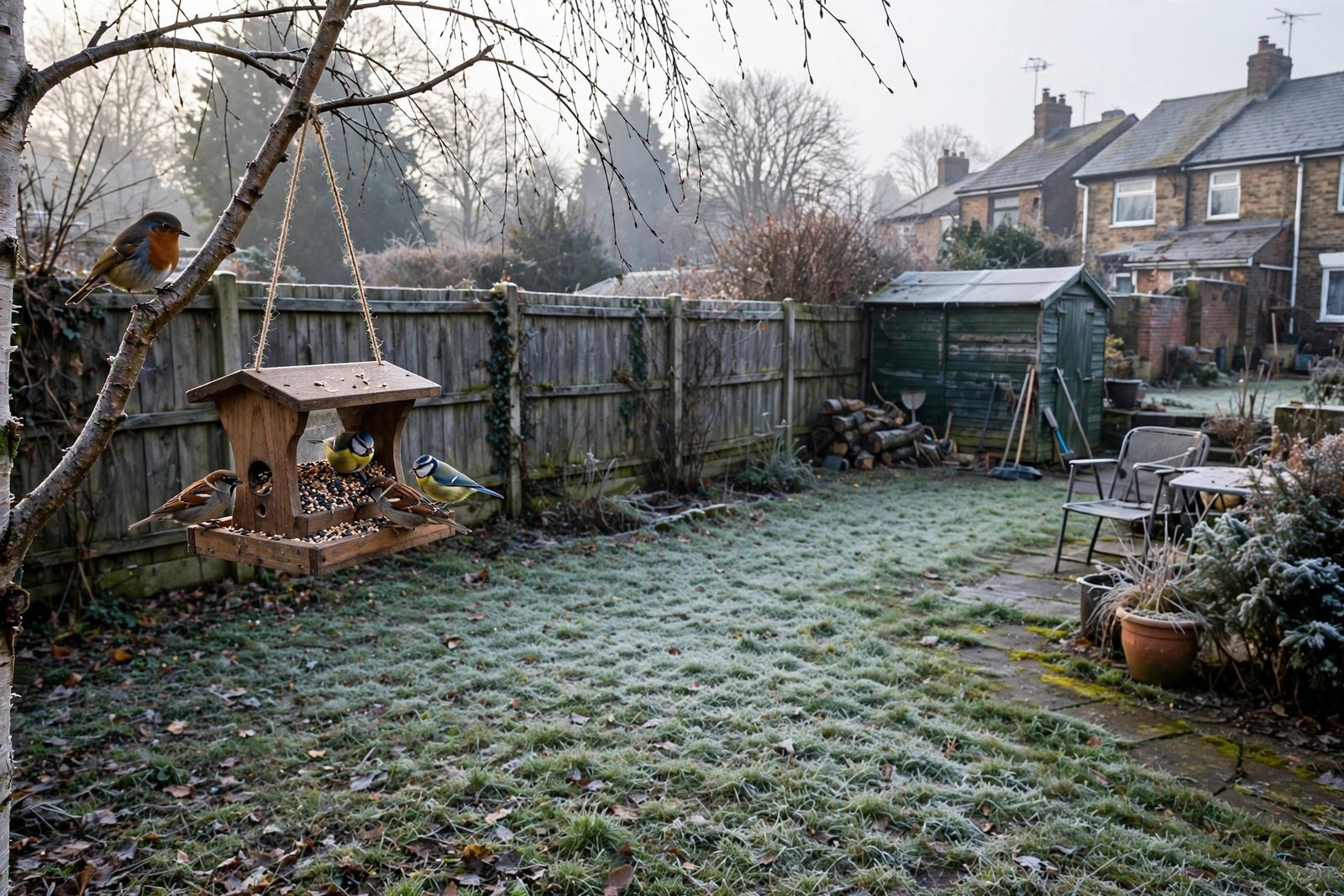
Supplementary feeding is the fastest way to increase garden bird numbers — the Big Garden Birdwatch (the RSPB’s annual January survey, the world’s largest garden wildlife survey) consistently shows fed gardens host more birds and more species. But quality and hygiene matter. Sunflower hearts are the universal winner — high-energy, no mess, loved by finches, tits and sparrows. Nyjer seed in a special feeder draws goldfinches specifically. Peanuts (in mesh feeders, never loose whole nuts in spring/summer — chicks can choke) suit tits and woodpeckers. Fat balls and suet fuel birds through winter. Mealworms (live or dried) are robin and blackbird magnets, especially in breeding season.
Feeder hygiene is non-negotiable: dirty feeders spread trichomonosis and other diseases that have devastated greenfinch populations. Clean feeders monthly with veterinary disinfectant, clear droppings and old food from below, rotate feeder positions, and never let food go mouldy. Position feeders near (but not in) cover — birds want a quick escape route from cats and sparrowhawks, so 2 metres from a bush or hedge is ideal. And be consistent: birds learn feeding routines, and an unreliable feeder is worse than none in hard weather. The RSPB shop and advice pages are the gold standard for what to feed and when.
What not to feed
Never feed birds salted peanuts or crisps, desiccated coconut (swells in stomachs), milk (birds cannot digest it), or whole peanuts in breeding season. Cooked rice, grated cheese, pastry and fruit are all fine in moderation. And keep it up in summer too — the old advice to stop feeding in summer is outdated; breeding birds need the energy, and natural food gaps (the “June gap” in insect abundance) are real.
Water: the most underrated magnet
Water attracts birds that never visit feeders. A bird bath — shallow (5cm max), with sloping sides and a rough surface for grip — provides drinking and bathing; moving water (a dripper or small solar fountain) is irresistible, audible to birds from a surprising distance. In winter, keep water ice-free: a floating ball agitated by wind slows freezing, or pour warm water morning and evening. Position baths in the open (birds fear ambush while bathing) but near escape cover.
A wildlife pond — even a washing-up-bowl sunk in the ground — multiplies the effect: drinking, bathing, and the insects it breeds become bird food. No fish (they eat the invertebrates), gently sloping sides so birds and hedgehogs can climb out, and native pond plants. The pond does not need to be big; it needs to be there. Water, more than any feeder, is what turns occasional visitors into residents.
Shelter and nesting: the habitat layer
Birds need somewhere to live, not just eat. Hedges beat fences for wildlife by orders of magnitude: a mixed native hedge (hawthorn, blackthorn, hazel, holly) provides nesting sites, berries, insects and shelter — plant one and the bird count transforms within a couple of years. If a hedge is impossible, climbers on walls and fences (ivy is the wildlife champion — late nectar, winter berries, evergreen shelter) do similar work vertically.
Nest boxes work when sited right: 1.5–3m high, facing north to east (away from prevailing wind and hot afternoon sun), near but not on feeders, with a clear flight path. Different holes for different birds — 25mm for blue tits, 28mm for great tits, 32mm for sparrows, open-fronted for robins and wrens. Clean out boxes each autumn (remove old nests; boiling water kills parasites). Do not site boxes where cats can reach them, and resist checking occupied boxes — disturbance causes nest abandonment. The Woodland Trust offers excellent guidance on wildlife-friendly planting. And if you are weighing hedges against fencing generally, our garden fencing cost guide covers the practical side — though for birds, the hedge wins every time.
Planting for birds: the year-round larder
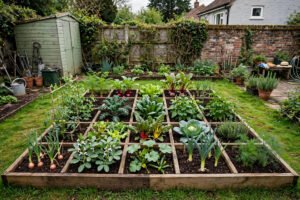
The deepest strategy is planting that feeds birds directly. Berries: hawthorn, rowan, holly, cotoneaster, pyracantha, berberis — plant for a sequence from autumn (rowan) through winter (holly, ivy berries in spring). Seeds: leave teasel, sunflower and thistle heads standing through winter — goldfinches depend on them. Insects: the most important bird food of all, especially for chicks — native wildflowers, unmown patches, log piles and compost heaps breed the caterpillars and insects that nesting birds need. A garden sprayed with insecticide is a garden with no baby birds; stop using pesticides and the food web rebuilds itself with astonishing speed.
Go easy on tidiness: leaf litter harbours insects for blackbirds and thrushes; uncut stems shelter overwintering insects; a “messy corner” with logs and brushwood is prime habitat. The manicured garden is a desert with good PR; the slightly wild garden is a nature reserve. Our small garden plant guide includes wildlife-friendly choices that work in the tiniest spaces — even a balcony with the right plants in pots feeds passing birds.
The bottom line
Attracting birds means: quality food in clean feeders (sunflower hearts as the staple), fresh water year-round, hedges and nest boxes for shelter and nesting, berry and seed planting for the natural larder, and zero pesticides so the insect food web thrives. Do all five and the dawn chorus in your garden gets louder every year. Britain’s garden birds need gardens like yours — and your garden, frankly, needs them. Join the annual Big Garden Birdwatch each January to record your visitors; your hour of counting feeds one of the world’s longest-running citizen science datasets, and watching your garden’s birdlife grow year on year is the best reward in wildlife gardening.
Frequently Asked Questions
What is the best bird food for UK gardens?
Sunflower hearts — high-energy, no-mess, loved by the widest range of species. Add nyjer for goldfinches, peanuts in mesh feeders, fat balls in winter, and mealworms in breeding season.
How do I keep bird feeders clean?
Clean monthly with veterinary disinfectant, clear droppings and old food beneath, rotate positions, and never let food go mouldy. Dirty feeders spread deadly diseases like trichomonosis.
Where should I put a nest box?
1.5–3m high, facing north to east, near cover but with a clear flight path, away from feeders and out of cats’ reach. Clean out each autumn after nesting season.
Do I need a pond to attract birds?
Not necessarily, but water is the most underrated magnet — even a shallow bird bath transforms visitor numbers. A small wildlife pond (no fish, sloping sides) multiplies the effect.
Should I feed birds in summer?
Yes — the old advice to stop is outdated. Breeding birds need extra energy, and natural food gaps occur in summer. Keep feeders clean and water fresh year-round.