
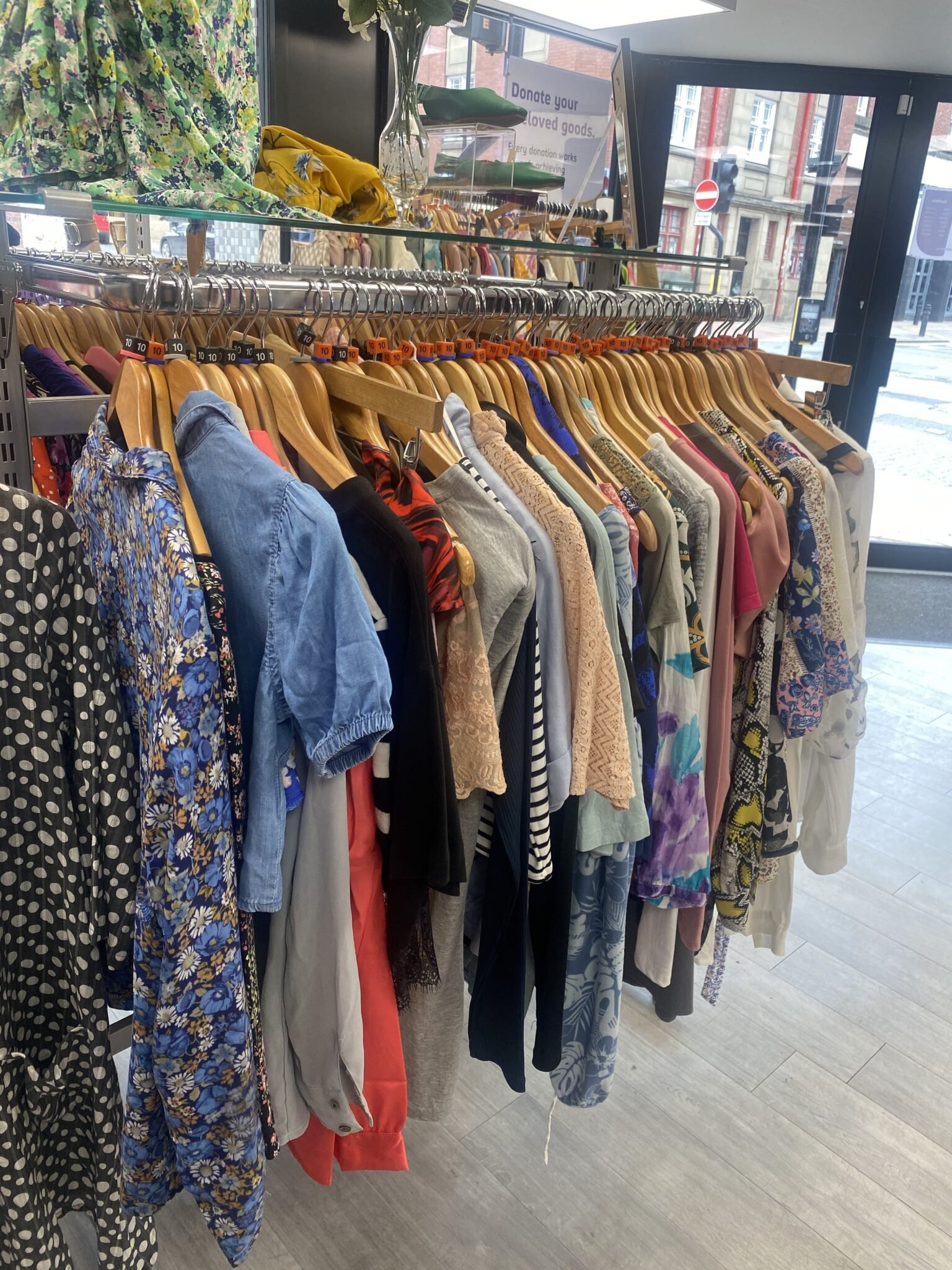
Second-hand clothes shopping in the UK has gone from embarrassing necessity to genuine sport. Vinted, Depop, eBay, charity shops — the quality available second-hand is staggering, with barely-worn designer and premium high street pieces at 70–90% off retail. But there’s an art to it: knowing what to buy, what to avoid, how to spot quality, and how not to get scammed. Here’s how to find good quality second-hand clothes, whether you’re thrifting for fun or building a wardrobe on a budget.
How to Find Good Quality Second-Hand Clothes in the UK: Where to Look
Online platforms
- Vinted. The current champion — no seller fees (buyers pay a small protection fee), huge UK user base, great for high street and mid-range brands. Best for: everyday wardrobe building.
- eBay. Still the deepest inventory, best for specific searches (“Hobbs wool blazer size 12”), and auction format can yield bargains. Best for: targeted hunting.
- Depop. Trend-led, younger sellers, great for vintage and streetwear. Prices can be optimistic — haggle.
- Vestiaire Collective / Hardly Ever Worn It. For authenticated designer pieces. Higher prices, but verified genuine.
- Charity shop online stores (Oxfam, British Heart Foundation, Shelter on eBay/Depop) — curated, reliable, and the money goes to good causes.
In person
- Charity shops. The treasure hunt. Affluent-area shops get the best donations; visit regularly since stock turns over fast. Weekday mornings are prime.
- Vintage shops and kilo sales. Curated vintage at fair prices; kilo sales for the brave and patient.
- Clothes swaps. Free, social, sustainable — bring what you don’t wear, take what you will.
- Car boot sales. Rock-bottom prices, maximum rummaging. Early arrival essential.
What to Buy Second-Hand (and What to Avoid)
Best second-hand buys:
- Coats and blazers. The #1 second-hand category — expensive new, barely worn, huge discounts. Wool coats and structured blazers age well.
- Knitwear. Quality wool and cashmere jumpers are frequently donated in excellent condition. Check for pilling and moth holes.
- Leather bags and shoes. Good leather improves with age; a £15 second-hand leather bag beats a £40 new synthetic one. Check soles and straps.
- Silk blouses and wool trousers. Premium fabrics at high street prices.
- Occasion wear. Worn once, donated, your gain — wedding guest dresses especially.
Think twice about:
- Swimwear and underwear — hygiene, obviously. (Bras are a grey area; most people say no.)
- Trainers/gym shoes — moulded to someone else’s feet, worn cushioning. Not worth it.
- Fast fashion basics — a £3 second-hand Primark top isn’t a bargain; it’s someone else’s worn-out disposable.
- Anything needing expensive alteration — a £10 blazer needing £40 of tailoring isn’t £10.
Spotting Quality: The 60-Second Check
- Fabric first. Natural fibres (wool, silk, cotton, linen, leather) and quality blends outlast synthetics. Check the label — it’s the most honest part of any garment.
- Seams. Straight, tight stitching with no loose threads. French seams or bound edges signal quality.
- Buttons and zips. Spare buttons included, zips that run smoothly — signs of a well-made garment.
- Lining. Lined jackets, skirts and trousers last longer and look better.
- The scrunch test. Scrunch the fabric; quality fabric springs back, cheap fabric stays creased.
- Smell check. Mustiness washes out; smoke and heavy perfume are harder. Factor in a deep clean.
- Check stress points: underarms, crotch, elbows, collar — where wear shows first.
Buying Safely Online
- Always check measurements, not just the size label — vintage sizing differs wildly, and our measuring guide applies doubly here.
- Ask for extra photos of any flaws; honest sellers provide them gladly.
- Use platform payment protection — never pay by bank transfer to strangers.
- Check seller ratings and read the description fully — “sold as seen” means what it says.
- Know your return rights: private sellers aren’t bound by the same rules as businesses. The Citizens Advice consumer pages explain the difference.
- For designer items, use authenticated platforms or learn the brand’s tells — fakes are common on unmoderated marketplaces.
Making It Work in Your Wardrobe
Second-hand shopping works best with a plan:
- Shop with a gap list (from your capsule wardrobe audit) rather than browsing aimlessly — otherwise you accumulate bargains you don’t need.
- Set up saved searches on eBay and Vinted for specific items — the good stuff goes fast.
- Budget for cleaning and alterations — a £12 dry clean and £15 alteration on a £20 coat still beats £200 new.
- Wash everything before wearing — hot wash where the fabric allows, or a antibacterial laundry rinse.
Second-hand is also the backbone of sustainable fashion — the greenest garment is the one already made. And for the money side, MoneySavingExpert’s second-hand guides cover selling as well as buying, while Which? helps you recognise quality worth paying for.
The Bottom Line
Finding good second-hand clothes means: shop with a gap list, prioritise coats/blazers/knitwear/leather (the categories where second-hand wins biggest), check fabric-seams-stress points, verify measurements, use payment protection, and budget for cleaning. Done well, second-hand isn’t a compromise — it’s how you wear £200 quality on a £30 budget, sustainably. The treasure hunt is half the fun.
Frequently Asked Questions
Is Vinted safe to buy from?
Yes, provided you use the platform’s payment protection — never pay by bank transfer to strangers. Check seller ratings, read descriptions fully, and ask for extra photos of any flaws.
What sells best second-hand?
Quality brands in good condition, coats and blazers, occasion wear, and leather goods. The better the original quality, the better the second-hand value.
How do I avoid fakes?
For designer items, use authenticated platforms (Vestiaire, Hardly Ever Worn It) or learn the brand’s tells — stitching, hardware weight, date codes. Fakes concentrate on unmoderated marketplaces.
Can I return second-hand items?
Private sellers aren’t bound by the same distance-selling rules as businesses — ‘sold as seen’ means what it says. Check measurements and condition before buying, not after.
Second-Hand Shopping Checklist
- Shop with a written gap list — otherwise you accumulate bargains you don’t need.
- Check fabric labels first: natural fibres and quality blends outlast synthetics.
- Inspect seams, stress points (underarms, crotch, elbows) and hardware function.
- Verify measurements, not just size labels — especially vintage, where sizing differs wildly.
- Use platform payment protection. Never bank-transfer a stranger.
- Budget for a clean and any alterations — still far cheaper than new.
Six checks, two minutes, and the difference between a wardrobe of treasures and a drawer of regrets. The treasure hunt is half the fun — the checklist makes sure it pays off.






One thought on “How to Find Good Quality Second-Hand Clothes”