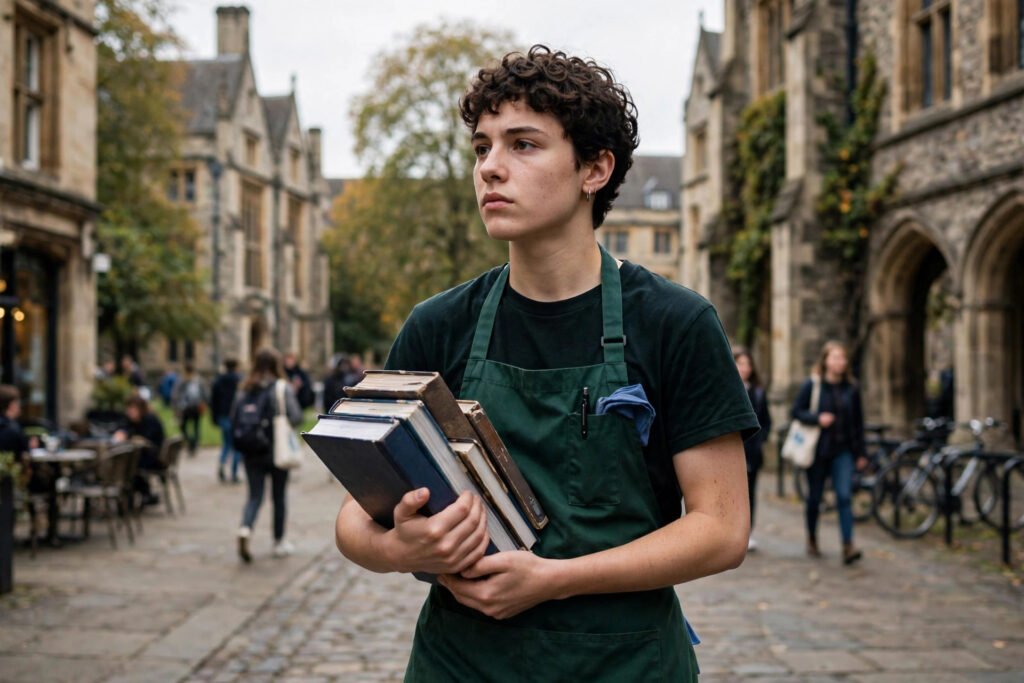
With AI now able to explain algebra, mark essays, and generate lesson plans in seconds, it’s natural to ask: will AI replace teachers in UK schools? It’s a question that worries teachers, intrigues policymakers, and confuses parents. Having looked at how AI is actually being used in British classrooms — versus how headlines say it’s being used — the reality is both less dramatic and more interesting than you’d expect.
Will AI Replace Teachers? What AI Actually Does in Schools Now
AI is already in UK classrooms, mostly doing the unglamorous work:
- Lesson planning and resource creation. Teachers use AI to generate differentiated worksheets, starter activities, and quiz questions — work that used to eat evenings and weekends.
- Marking assistance. AI can draft feedback on written work and check objective answers, with teachers reviewing and adjusting.
- Personalised practice. Adaptive learning platforms adjust difficulty to each pupil — particularly useful in maths, where gaps compound quickly.
- Admin reduction. Report-writing assistance, email drafting, data analysis — the bureaucratic load teachers consistently cite as a reason for leaving.
- Support for SEND pupils. Text-to-speech, simplified explanations, and visual supports help pupils with additional needs access the curriculum.
The Department for Education has been cautiously encouraging this kind of use — AI as a workload tool, not a teacher substitute. The framing matters: the goal is giving teachers their evenings back, not giving pupils robot instructors.
What AI Can’t Do (and Won’t Soon)
- Build relationships. The teacher who notices a usually-bubbly pupil has gone quiet, who knows which praise lands and which backfires — that’s human judgement built over months.
- Manage a classroom. Thirty teenagers require presence, authority, humour, and split-second judgement. No chatbot is doing that.
- Safeguarding. Spotting signs of abuse, neglect, or mental health crisis is a profound human responsibility. AI can flag patterns in data; it can’t sit with a vulnerable child.
- Inspire. Pupils remember teachers who made them love a subject. Enthusiasm isn’t downloadable.
- Handle the unpredictable. The fight in the corridor, the tears before the exam, the brilliant off-syllabus question — teaching is improvisation as much as instruction.
The Realistic Future: AI-Augmented Teaching
The plausible future isn’t replacement — it’s a shift in what teachers spend time on. If AI handles planning, marking, and admin, teachers get more time for the human parts: small-group work, mentoring, pastoral care, and actual teaching. Some schools are already restructuring around this, using AI-generated resources to free staff for targeted intervention with struggling pupils.
There are legitimate concerns to manage along the way:
- Over-reliance. If pupils lean on AI for homework, learning hollows out. Schools need clear AI policies — see our guide to AI and children’s homework.
- Equity. Well-resourced schools adopt AI faster; the gap could widen without deliberate effort.
- Data privacy. Children’s data in AI systems needs strict safeguards — a live issue for regulators including the ICO.
- Teacher de-skilling. If AI does all the planning, do new teachers still learn to plan? Training needs to adapt.
These are governance challenges, not reasons to reject the technology — and they’re actively debated in education coverage from BBC Education.
What This Means for Teachers’ Careers
If you’re training or working as a teacher, the sensible response isn’t fear — it’s adaptation. Teachers who can use AI tools well, design AI-resistant assessments, and focus on the relational side of teaching will be more valuable, not less. The profession’s chronic problems (workload, retention) might actually improve if AI genuinely reduces admin. Related reading: jobs safest from AI automation and whether AI makes degrees worthless.
How Teachers Are Using AI Right Now: Practical Examples
- Differentiation in minutes. “Create three versions of this worksheet — foundation, core, and extension — for Year 8 on photosynthesis.” Work that took an hour now takes ten minutes, and every pupil gets appropriately challenging material.
- Instant formative assessment. AI-generated exit tickets and quizzes, with automatic marking for objective questions — giving teachers real-time data on what the class actually understood.
- Parent communication. Drafting clear, jargon-free explanations of curriculum topics for parents’ evenings and newsletters.
- Behaviour support plans. Structuring intervention plans and tracking templates for pupils with additional needs.
- Cover lessons that aren’t wasted. AI-generated, genuinely useful cover work tied to the current topic — ending the era of the pointless worksheet.
The common thread: AI handles the preparation, freeing teachers for the presence — the classroom interaction where learning actually happens.
What Parents Can Do
- Ask how AI is used in your child’s school — for teaching, homework, and assessment. You have a right to know.
- Support the homework policy at home. If the school’s rule is “AI for understanding, not for answers,” reinforce it — see AI and homework.
- Don’t outsource parenting to AI either. The same principle applies at home: AI can explain long division, but it can’t sit with your frustrated child, encourage them, and know when to stop.
- Value teachers visibly. In an AI-anxious profession, parental appreciation matters more than ever. The teachers staying in the profession despite the pressures deserve recognition.
- Engage with consultations. When schools consult on AI policies, respond. Parent voice shapes how this technology lands in classrooms.
The question to keep asking
As AI spreads through education, keep asking one question of every new tool and policy: does this give teachers more time with pupils, or less? Technology that increases human contact in education is progress. Technology that replaces it is a cost-cutting exercise wearing innovation’s clothes. The distinction matters enormously — and it’s one parents, teachers, and policymakers must defend together.
Practical Takeaway
AI won’t replace teachers in UK schools — but it will replace a chunk of what teachers currently spend their time on, and that’s mostly good news. The teachers of the near future will do less marking and admin and more of what only humans can do: mentoring, inspiring, safeguarding, and managing the beautiful chaos of a classroom. For parents, the takeaway is simpler: ask your child’s school how they’re using AI, and make sure the answer involves more teacher time with pupils, not less.