
Beauty A journal entry
How to Get Rid of Dark Circles Under Your Eyes Naturally
How do you get rid of dark circles under your eyes naturally? What causes them in the first place, and the evidence-backed home remedies that genuinely help.
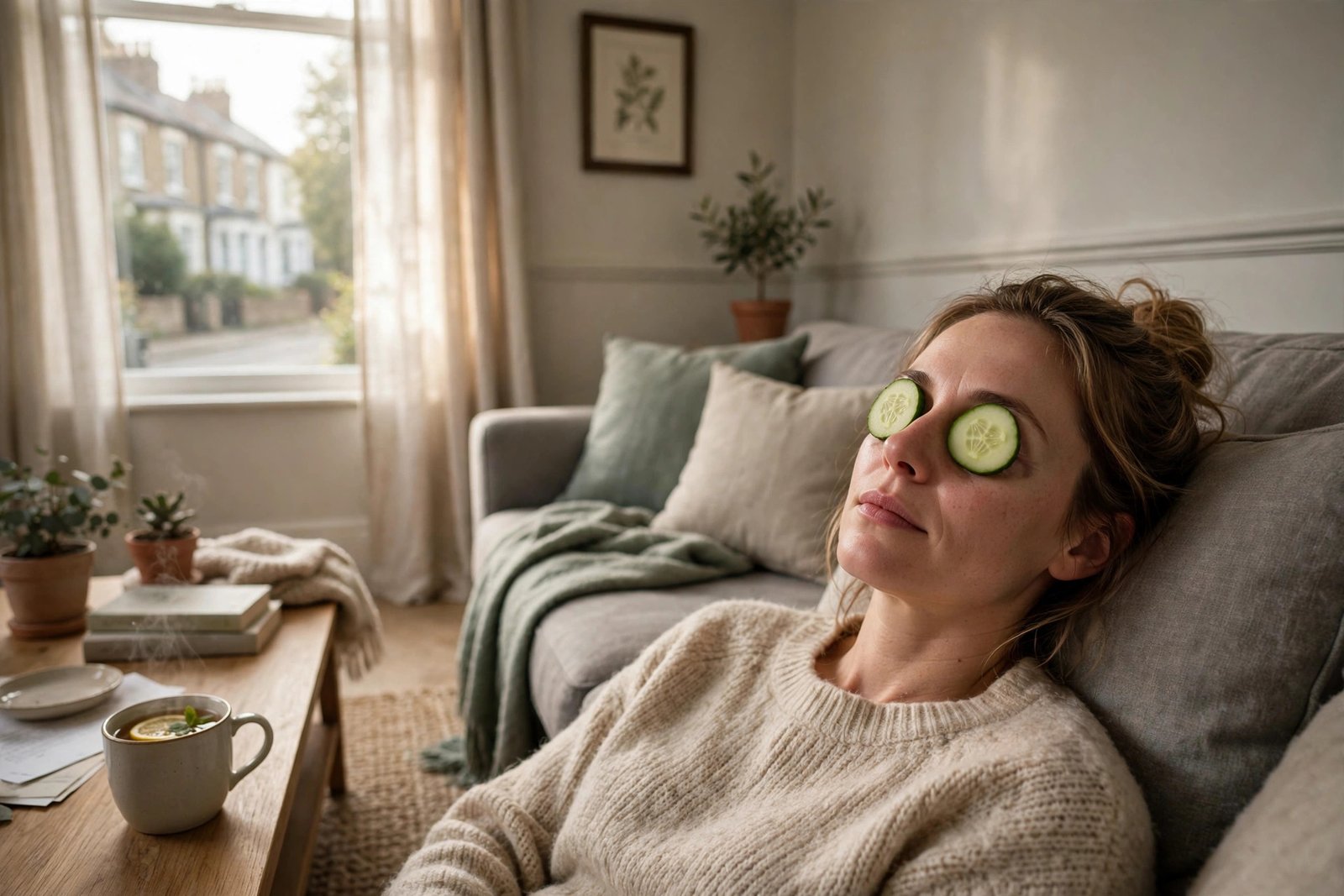
You sleep eight hours, drink your water, and still look in the mirror to find shadows under your eyes that suggest you have been up all night. Dark circles are one of the most common — and most misunderstood — beauty complaints in Britain. The truth is that most dark circles are not caused by tiredness at all, which is why concealer alone never quite fixes them. But understanding what is actually causing yours is the key to improving them naturally, without resorting to fillers or filters.
This guide explains the real causes of dark circles, which type you have, the natural and lifestyle remedies with genuine evidence behind them, and when dark circles signal something worth discussing with your GP.
What actually causes dark circles
Dark circles fall into three main types, and treatment depends on identifying yours. Pigmented circles are brownish, caused by excess melanin — more common in darker skin tones and worsened by sun exposure and eye-rubbing. Vascular circles are bluish or purplish, caused by thin under-eye skin revealing the blood vessels beneath; they worsen with tiredness, dehydration and anything that dilates vessels. Structural circles are shadows cast by tear troughs, puffiness or eye bags — a contour issue, not a colour issue, which is why no cream fully fixes them.
Most people have a combination. Genetics play the largest role — if your parents had them, you likely will too. Ageing thins the under-eye skin and depletes fat pads, making all three types more visible over time. Allergies (“allergic shiners”), eczema, and chronic eye-rubbing worsen pigmentation, while NHS guidance on sleep and tiredness confirms that poor sleep makes vascular circles dramatically more prominent.
Sleep: the foundation everything else builds on
Let us be honest about sleep, because it is the remedy everyone wants to skip. Inadequate sleep causes fluid to pool under the eyes, dilates blood vessels, and pales the skin — making every type of dark circle worse. Seven to nine hours is the target, but sleep quality matters as much as quantity: consistent bedtimes, a cool dark room, and no screens in the final hour.
Elevating your head slightly reduces morning fluid pooling, and addressing the enemies of good sleep — stress, shift patterns, late caffeine — pays visible dividends. Our guide to better sleep with shift work has strategies for the hardest schedules, and free self-care ideas includes wind-down rituals that cost nothing but improve both sleep and skin.
Natural remedies with real evidence
Cold is the most effective natural tool: chilled spoons, cold compresses or cooled gel masks constrict blood vessels and reduce puffiness-related shadowing within minutes. It is temporary but genuinely works for mornings that matter. Cucumber slices are mostly theatre — but the cold and the excuse to lie still for ten minutes are real benefits.
Tea bags (black or green, cooled after brewing) combine cold with a small caffeine dose that mildly constricts vessels; the evidence is modest but the ritual is harmless. For pigmented circles, consistent sun protection prevents worsening, and ingredients like vitamin C, niacinamide and kojic acid have reasonable evidence for fading pigmentation over eight to twelve weeks. Gentle lymphatic massage — light sweeping motions from inner to outer corner — helps drain pooled fluid, though the effect is temporary.
Lifestyle factors that make circles worse
Dehydration thins and dulls the under-eye area; steady water intake through the day helps more than chugging two litres at night. High salt intake, alcohol and late-night screen time all worsen morning puffiness and vascular visibility. Smoking constricts vessels then damages them long-term, accelerating every type of circle. Allergies deserve special attention — treating hay fever or dust-mite allergy often improves “allergic shiners” more than any eye cream.
And stop rubbing your eyes. Chronic rubbing causes post-inflammatory pigmentation that darkens the area permanently over years. If your eyes itch constantly, see a pharmacist about allergy drops rather than grinding away at the delicate skin.
When dark circles need medical attention
Most dark circles are cosmetic, but see your GP if they appeared suddenly, affect only one eye, or come with other symptoms — extreme fatigue, paleness, breathlessness (possible anaemia or thyroid issues), or significant swelling. Dark circles plus persistent exhaustion deserve blood tests, not just concealer. The NHS guidance on insomnia is a good starting point if poor sleep is the driver.
Makeup techniques that minimise dark circles
While lifestyle work compounds slowly, makeup offers immediate improvement — if applied correctly. The key is colour correction before concealment: peach or orange correctors neutralise blue-purple vascular tones far more effectively than skin-coloured concealer alone, meaning you need less product overall. Apply corrector only to the darkest areas (usually the inner corner), blend the edges, then layer a thin coat of concealer one shade lighter than your foundation.
Set lightly with translucent powder to prevent creasing, but avoid heavy baking, which emphasises texture. And choose luminous over matte formulas — light-reflecting concealers camouflage shadowing better than flat mattes, which can make the area look drier and darker. The goal is to lift the area optically, not to mask it thickly.
The long view: managing expectations
Be realistic about what natural remedies achieve. Lifestyle changes — sleep, hydration, allergy treatment, sun protection — meaningfully improve the changeable components of dark circles, often by 30 to 50 per cent in visible severity. They do not rewrite genetics, refill lost volume, or thicken thin skin. That is not failure; it is honesty about the tools.
For structural shadowing that bothers you significantly, options exist beyond the natural: dermal fillers for tear troughs (choose a qualified medical practitioner), or simply excellent concealer technique. There is no shame in any point on this spectrum — from cold spoons to clinic treatments. The informed choice, matched to your type and your feelings about it, is the right one.
Conclusion
Getting rid of dark circles naturally starts with knowing your type: protect pigmented circles from sun, cool and decongest vascular ones, and accept that structural shadowing needs camouflage, not cream. Prioritise sleep, stay hydrated, treat allergies, stop rubbing, and use cold strategically. Natural remedies will not rewrite your genetics — but they can meaningfully soften what genetics gave you. And on the days they cannot, a well-matched concealer applied with the techniques in our makeup guides will do the rest.
Frequently Asked Questions
Do eye creams actually work for dark circles?
Modestly, and only for certain types. Caffeine and vitamin C formulas can mildly improve vascular and pigmented circles; no cream fixes structural shadowing. Manage expectations and prioritise sleep and sun protection first.
Are dark circles a sign of illness?
Usually not — they are mostly genetic and cosmetic. But sudden onset, one-sided circles, or circles with fatigue and paleness warrant a GP visit to rule out anaemia, thyroid issues or allergies.
Does drinking more water help dark circles?
Staying well hydrated keeps under-eye skin plumper and less shadowy, so it helps modestly. It will not erase genetic or structural circles, but chronic dehydration definitely worsens them.
Can lack of sleep permanently cause dark circles?
No — sleep deprivation worsens their appearance temporarily but does not create permanent circles. What is permanent is largely genetic, though chronic eye-rubbing and sun damage add lasting pigmentation.
§ Further Entries

Is Washing Your Hair Every Single Day Actually Bad for It?
Is it bad to wash your hair every single day? What daily shampooing really does to British hair types, plus when to wash less and when it is fine. Read our guide.
The Most Flattering Haircuts for a Round Face Shape in the UK
What is the best haircut for a round face shape? Flattering cuts, lengths and styling tricks UK stylists recommend to add definition and balance to faces.
How to Stop Makeup From Creasing Under Your Eyes All Day
How do you stop makeup from creasing under your eyes? The prep, product and setting techniques makeup artists use for smooth, crease-free concealer all day.