
Gardening A journal entry
How to Divide Perennials Without Damaging Roots
Dividing overgrown perennials? Learn the right season, how to lift clumps without tearing roots, and the replanting steps that get every division thriving.
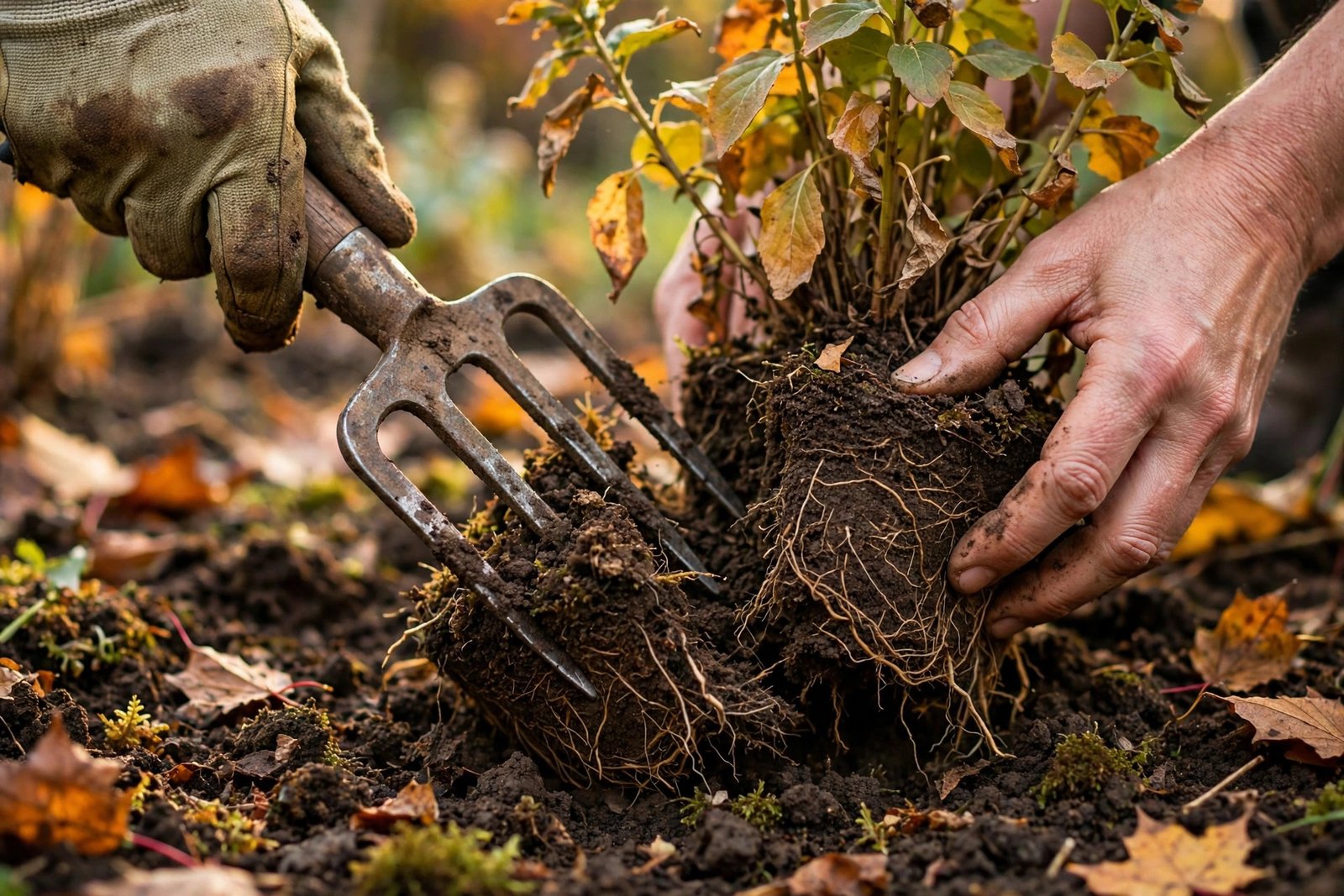
That magnificent clump of hostas has tripled in size, the daylilies are elbowing their neighbours, and the geraniums have formed an empire. Dividing perennials is one of gardening’s great free lunches — more plants, rejuvenated growth, and better flowering — but the prospect of hacking a beloved plant apart makes many British gardeners nervous. Done correctly, division is barely stressful for the plant at all. Here is the complete method: when to divide, how to lift and split without damaging roots, and how to get every division thriving.
Why divide, and when
Perennials are divided for three reasons: to propagate (free plants), to rejuvenate (old clumps develop dead centres and flower poorly), and to control size. Most perennials benefit from division every 3–5 years. The timing rule for Britain:
- Spring (March–April): divide summer- and autumn-flowering perennials (hostas, daylilies, rudbeckia, asters) as new growth emerges. The plant has the whole season to establish.
- Autumn (September–October): divide spring-flowering perennials (primroses, brunnera, pulmonaria) after flowering. Soil is still warm for root establishment.
- Avoid: dividing in full flower, during drought, or when the ground is frozen or waterlogged.
Some perennials resent division — peonies, hellebores, and ornamental grasses prefer to be left alone or need specialist handling. When in doubt, the RHS guide to dividing perennials lists which plants divide well and which to leave be.
Preparation: set yourself up for success
Water the clump thoroughly the day before — hydrated roots are flexible roots; dry roots snap. Prepare the new planting holes before you lift, so divisions spend minimal time exposed: dig holes twice the width of the expected rootball, enrich with garden compost, and have a bucket of water and a tarp ready. Work on an overcast day or in the cool of morning if possible; hot sun desiccates exposed roots in minutes.
Assemble your tools: a sharp spade, a garden fork (or two, for the classic back-to-back technique), a hori-hori knife or old bread knife for precise cuts, secateurs, and a watering can. Sharp tools matter — clean cuts heal; ragged tears invite rot.
Lifting the clump without root damage
This is where damage happens — or does not:
- Cut back top growth to 10–15cm. This reduces water loss and lets you see the crown clearly.
- Dig wide. Push the spade in a full spade’s width beyond the plant’s drip line, working around the entire clump before levering. Most feeder roots sit in the top 20–30cm — going wider preserves them.
- Lever, don’t yank. Work the fork or spade under the rootball and lever upward gradually from several sides. If it resists, dig deeper rather than forcing it — torn roots are the main cause of division failure.
- Shake or wash off excess soil so you can see the crown and root structure. Seeing what you are doing prevents blind hacking.
For very large or woody clumps (old daylilies, agapanthus), the two-fork method is unbeatable: drive two garden forks back-to-back into the centre of the clump and lever the handles apart. The clump splits along natural divisions with minimal root tearing.
Splitting: work with the plant’s natural divisions
Look for natural separations — fans of growth with their own roots, or sections of crown with visible shoots. Each division needs roots plus at least one healthy shoot or bud; rootless fragments rarely survive, and shootless root chunks are a gamble.
- Fibrous-rooted perennials (geraniums, astrantia, hemerocallis): pull or cut apart by hand or with forks, keeping generous root masses on each piece.
- Fleshy-rooted types (hostas, agapanthus, bergenia): cut cleanly with a sharp knife or spade — these have fewer, thicker roots that tear badly if pulled.
- Rhizomatous spreaders (iris, bamboo): cut rhizomes into sections, each with a fan of leaves and roots; trim iris leaves to a fan shape to reduce wind rock.
Discard the old woody centre of ancient clumps — it is exhausted. Keep only the vigorous outer portions. A clump that yields five divisions is normal; an old hosta can give ten or more. Pot up spares immediately if you cannot plant them the same day, and you will have gifts for neighbours — or new material for a small UK garden that needs filling on a budget.
Replanting for rapid establishment
Plant divisions at the same depth they were growing — the crown (where roots meet shoots) should sit at soil level, not buried. Backfill with a mix of native soil and compost, firm gently to eliminate air pockets, and water deeply — a full can per division, even if rain is forecast. Mulch with 5cm of compost or bark, keeping it clear of the crown.
Aftercare for the first fortnight is simple but non-negotiable: water during dry spells, provide temporary shade for divisions done in unexpected heat, and resist fertilising until you see new growth (feeding stressed roots burns them). Most spring divisions establish within weeks; autumn divisions settle roots over winter and surge in spring. Gardeners’ World has excellent seasonal videos showing the techniques in action.
Troubleshooting: when divisions struggle
- Wilting after replanting: almost always water stress or too much top growth left on. Trim foliage harder and water deeply; most recover.
- No growth after a month: check the crown is not buried (a classic error) and that the division had sufficient roots. Patience — autumn divisions can sit quiet all winter.
- Rotting: waterlogged soil or damaged roots. Improve drainage, and next time make cleaner cuts and avoid dividing in wet conditions.
- Flowering poorly the first year: completely normal. Divisions spend year one on roots; the floral payoff comes in year two.
Divisions also make excellent candidates for new raised beds, where their weed-free start gives them every advantage — see how to build a raised garden bed if you are expanding your growing space.
Conclusion
Dividing perennials without damaging roots is a matter of preparation and patience: water the day before, dig wide and lever gently, split along natural divisions with sharp tools, ensure every piece has roots and shoots, and replant immediately at the correct depth with thorough watering. Done in the right season — spring for summer-flowerers, autumn for spring-flowerers — division is one of the most rewarding garden tasks: free plants, rejuvenated borders, and the deep satisfaction of working with the plant’s own growth habits rather than against them.
Frequently Asked Questions
Can you divide perennials in summer?
It is possible but stressful — heat and active growth make establishment harder. If you must, do it on a cool overcast day, cut top growth back hard, water relentlessly, and provide shade for a week.
How small can divisions be?
Each division needs roots and at least one shoot or bud. Larger divisions (fist-sized or bigger) establish faster and flower sooner; tiny fragments are a gamble best left for easy plants like geraniums.
Do all perennials need dividing?
No — peonies, hellebores, euphorbias, and most ornamental grasses resent disturbance. Divide only plants showing signs of decline (dead centres, reduced flowering) or those you want to propagate.
Should I divide perennials when it is raining?
Light overcast is ideal; heavy rain turns soil to mud that compacts around roots and makes clean work impossible. Wait for a drier day if the ground is saturated.
How long before divisions flower?
Spring divisions of vigorous perennials often flower the same year; most perform fully from year two. Do not judge a division’s success by its first season — roots come first, flowers follow.
§ Further Entries
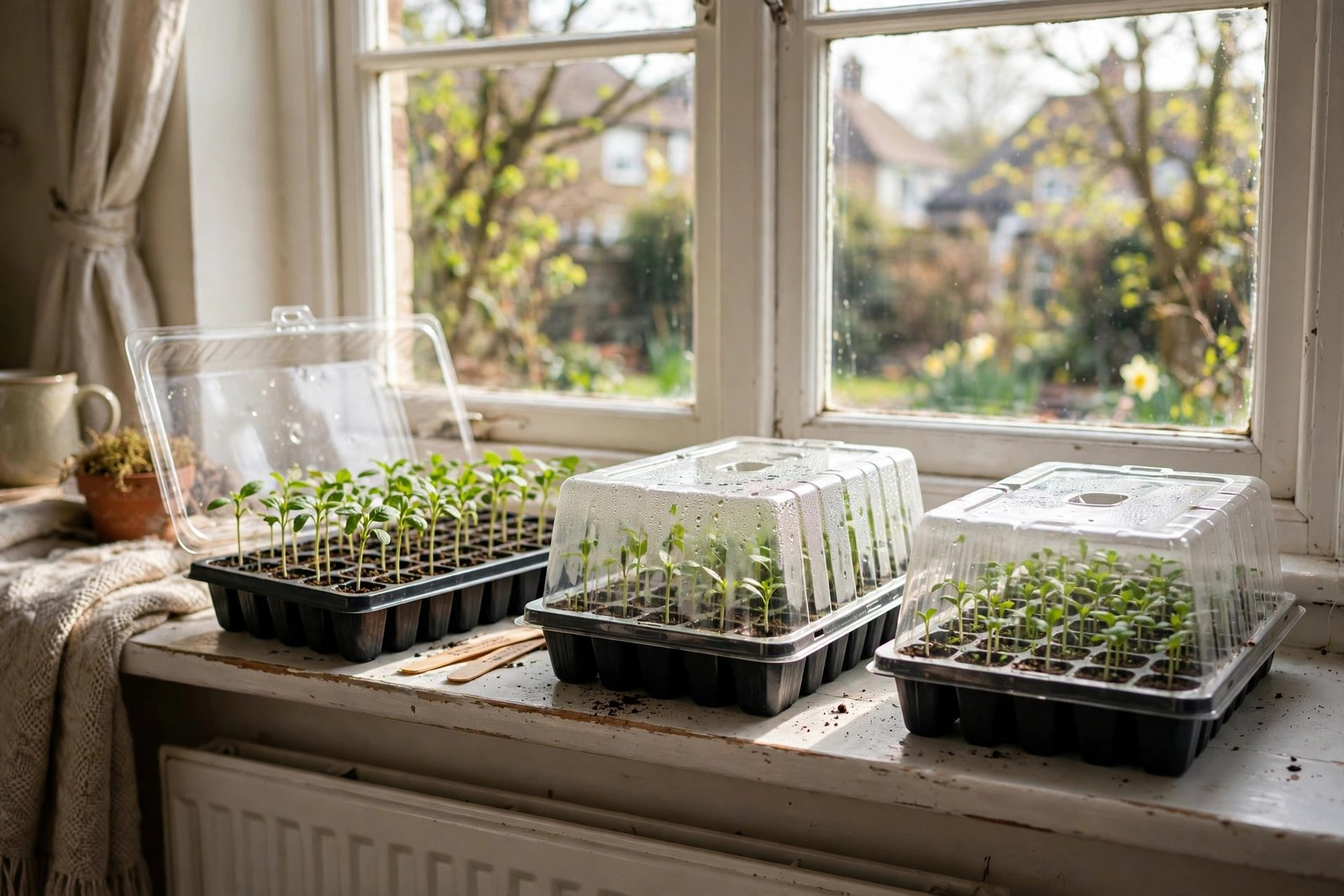
How to Start Seeds Without Grow Lights in the UK
No grow lights? No problem. Learn how to raise strong seedlings on a British windowsill with reflectors, timing tricks, and legginess prevention that works.
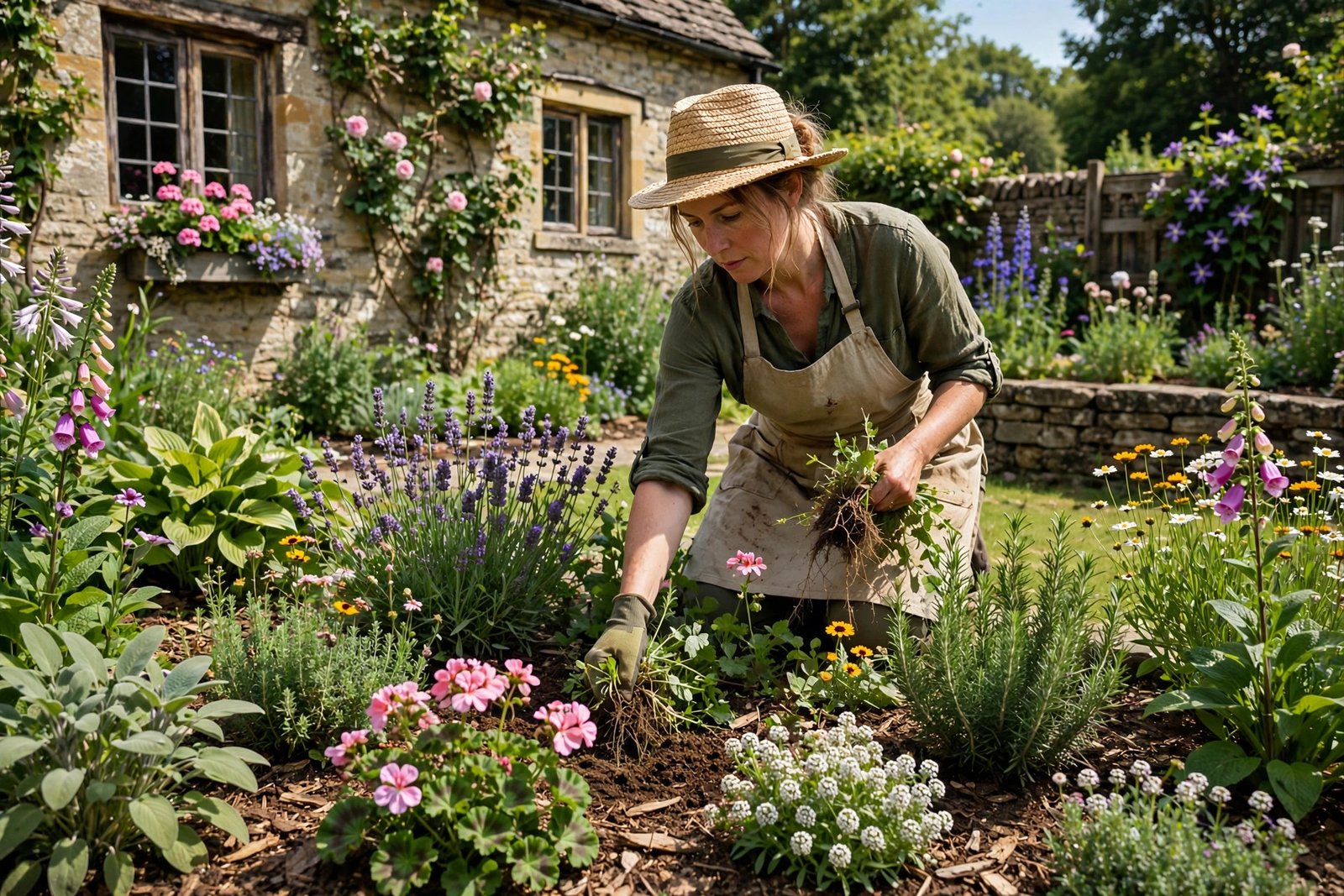
How to Stop Weeds Without Harsh Chemicals
Ditch the weedkiller. Learn how mulching, hoeing, dense planting and root removal control British garden weeds better than chemicals — plus tricky perennials.
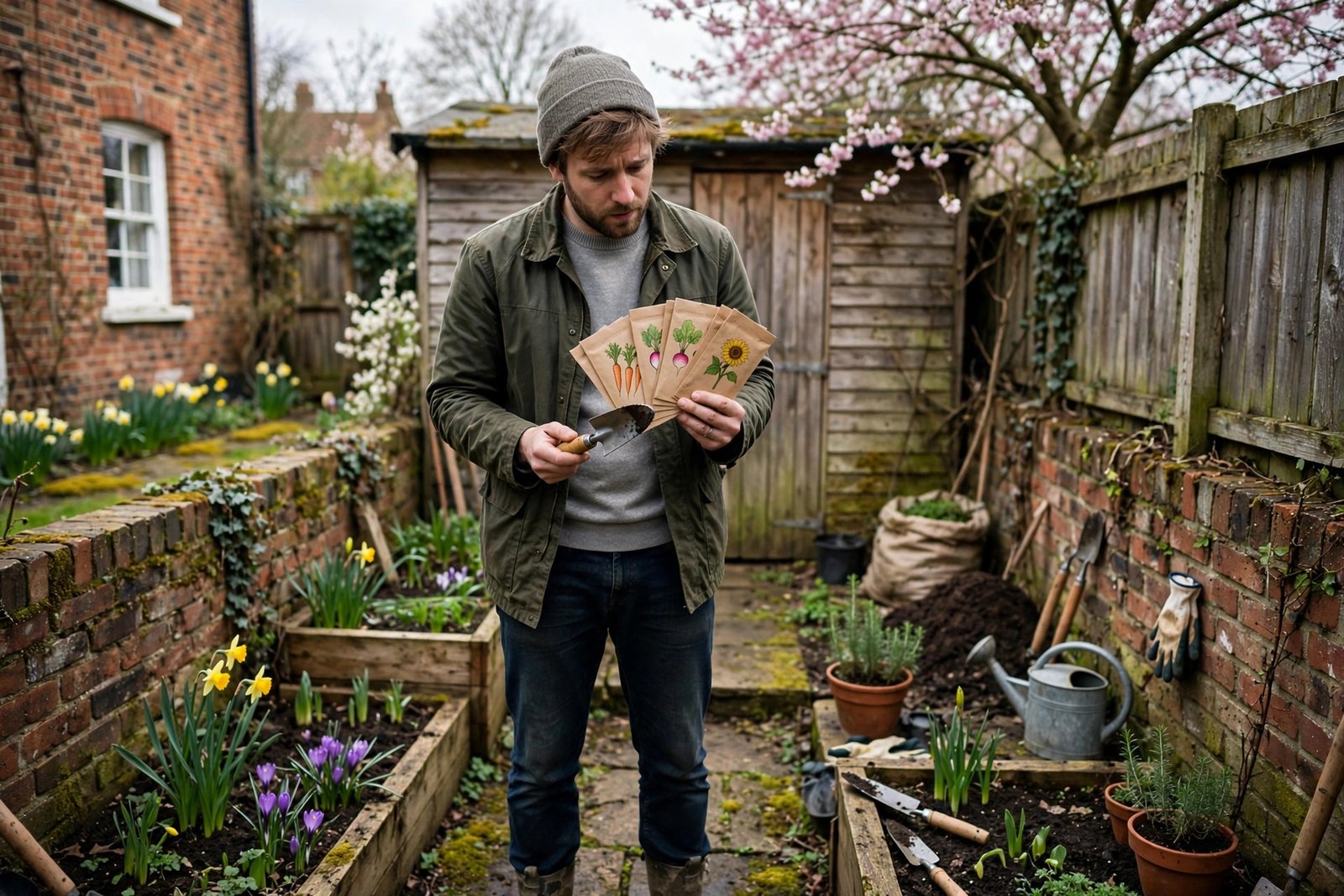
How do I start a vegetable garden as a total beginner in britain?
how do I start a vegetable garden as a total beginner in britain? Practical steps, expert tips and honest advice in our concise UK guide for British readers.