
Beauty A journal entry
The Most Flattering Haircuts for a Round Face Shape in the UK
What is the best haircut for a round face shape? Flattering cuts, lengths and styling tricks UK stylists recommend to add definition and balance to faces.
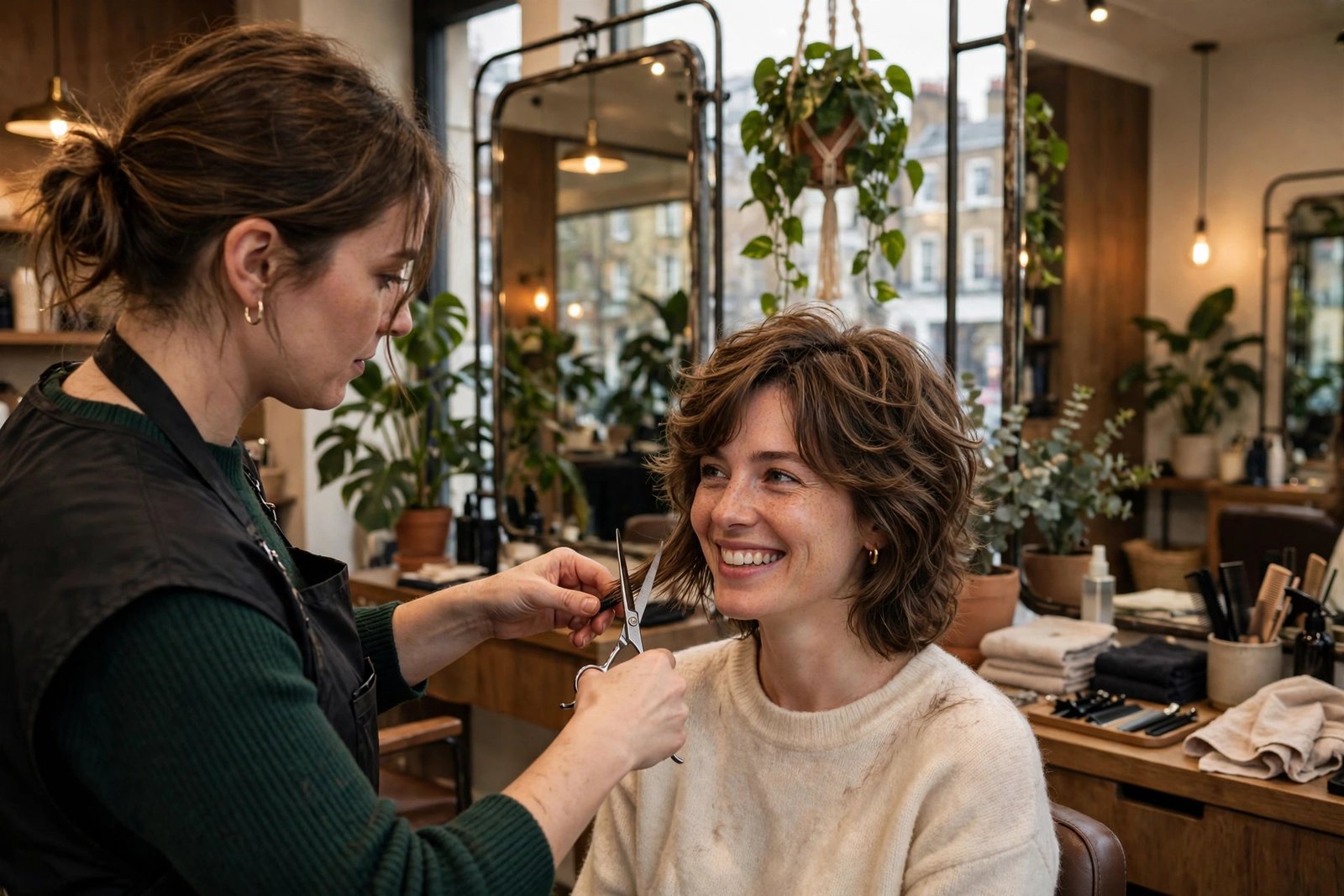
A round face is a gift — soft, youthful, symmetrical — but finding a haircut that flatters it can feel like guesswork. The wrong cut emphasises width; the right one adds definition, length and structure while keeping all that lovely softness. The best haircut for a round face shape is not one specific style but a set of principles: creating vertical lines, adding height at the crown, and using texture and asymmetry to sculpt. Once you know the principles, every salon visit gets easier.
This guide explains what flatters round faces and why, the specific cuts UK stylists recommend most, what to avoid, and how to brief your stylist so you leave happy.
The principles: length, height and angles
Round faces are roughly as wide as they are long, with soft angles and full cheeks. Flattering cuts create the illusion of length and definition. Long layers that fall past the chin elongate; volume at the crown (not the sides) adds height; side partings and sweeping fringes create diagonal lines that break up circularity; texture and asymmetry add angles where nature provided curves.
Conversely, anything that adds width at cheek level — blunt bobs ending at the chin, centre-parted curtains that frame the widest point, flat crops with no crown height — tends to emphasise roundness. This is not about “hiding” your face; it is about balance and proportion, the same logic behind finding a personal style that suits you.
The cuts stylists recommend most
Long layers remain the safest, most versatile choice — length past the shoulders with face-framing pieces starting below the chin draws the eye downward. The textured lob (long bob) hitting the collarbone, with tousled ends and a deep side part, is the modern classic for round faces: structured enough to define, long enough to elongate.
For shorter hair, pixies with height on top and tapered sides work beautifully — the crown volume lengthens the face while short sides avoid cheek-level width. Asymmetric bobs, longer on one side, create the diagonal lines that flatter roundness. Curtain bangs can work if they are long and swept to the sides rather than short and blunt; wispy, textured fringes beat heavy straight-across ones. Discuss options with a stylist experienced in face-shape cutting — the National Hair & Beauty Federation’s guidance on choosing salons helps identify properly trained professionals.
What to avoid (and the exceptions)
Chin-length blunt bobs with no layers are the classic round-face pitfall — they create a horizontal line at the widest point. Bowl cuts and one-length crops with no crown texture similarly emphasise circularity. Centre partings on very short round-face cuts can highlight symmetry in an unflattering way.
But rules have exceptions, and confidence overrides all of them. A chin-length bob with choppy texture and a deep side part can look fantastic on a round face; the blunt version is the problem, not the length. If you love a “forbidden” cut, ask your stylist to adapt it — texture, parting and styling can rescue almost any shape. And looking polished need not cost a fortune: our guide to looking stylish without spending much proves great style is about choices, not cash.
Styling tricks that enhance the cut
The cut is half the story; daily styling completes it. Root lift at the crown — via blow-drying upside down, volumising mousse, or Velcro rollers — adds the height that elongates. Tucking one side behind the ear creates asymmetry instantly. Waves and curls should start below chin level, not at the cheeks, to avoid adding width where you least want it.
Updos work wonderfully: high ponytails, top knots and buns add verticality, especially with a little crown teasing and face-framing tendrils. Avoid slicked-flat styles with no crown volume, which emphasise the face’s widest dimensions.
Briefing your stylist
Bring reference photos of people with similar face shapes — not just the cut you want, but the cut on a face like yours. Use concrete language: “I want length past my chin,” “volume on top, not at the sides,” “a side part, not centre.” Ask how the cut will grow out and how to style it at home; a cut you cannot replicate is a cut you will resent. A good stylist welcomes this briefing — it is the sign of a client who will leave happy.
Colour, texture and the round face
Cut is the biggest lever, but colour and texture contribute. Strategic highlights around the face — lighter pieces framing the cheeks — create dimension that flatters roundness, while all-over flat colour can emphasise it. Texture is your friend: tousled waves, piece-y ends and lived-in movement all add the angles that complement soft facial structure. Pin-straight, one-length hair is the least forgiving texture on round faces, though a deep side part and some face-framing layers rescue even the sleekest styles.
Hair health underpins everything: damaged, frizzy ends widen the silhouette visually, while smooth, well-conditioned lengths elongate it. If your hair is breaking or thinning — which changes how any cut sits — the NHS advice on hair loss distinguishes normal shedding from conditions worth discussing with your GP, so you style from a healthy foundation.
Growing out and maintaining the cut
The right cut needs the right maintenance to keep flattering. Book trims every six to eight weeks for short styles (they lose shape fastest) and every eight to twelve for longer ones. Between appointments, root-lift products and a round brush maintain the crown volume that elongates round faces — five minutes of upside-down blow-drying transforms day-three hair.
When growing out, communicate the trajectory to your stylist: “I am growing toward a lob” lets them shape each trim toward the goal rather than just tidying. Grow-outs on round faces benefit from regular reshaping — untended growth adds width before it adds length, so maintenance trims are the difference between awkward and intentional.
Round faces and fringe decisions
Fringes on round faces follow one rule: texture over bluntness. Wispy, piece-y, curtain or side-swept fringes all work beautifully — they add interest and angles without the harsh horizontal line of a blunt cut. Micro-fringes are the riskiest choice, emphasising width, though even they can work with the right styling and confidence. If you are fringe-curious but cautious, start with long curtain bangs: they grow out gracefully if you hate them and frame the face softly if you love them. A fringe is a commitment, but it is never a life sentence.
Conclusion
The best haircut for a round face shape follows simple principles: length past the chin, height at the crown, diagonal lines from side partings and asymmetry, and texture over bluntness. Long layers, textured lobs, crown-volume pixies and asymmetric bobs all deliver — adapted to your hair texture and lifestyle. Bring photos, speak plainly, and remember the ultimate rule: the most flattering haircut is the one you love wearing. Principles guide; confidence decides.
Frequently Asked Questions
Can round faces wear short hair?
Absolutely — pixies with crown height and tapered sides are among the most flattering short cuts for round faces. The key is volume on top rather than width at the sides.
Are curtain bangs good for round faces?
Long, side-swept curtain bangs work well; short, blunt, centre-parted ones emphasise width. Ask for curtains that start below cheekbone level and sweep diagonally.
Does a centre parting suit round faces?
It can on longer styles where length already elongates, but side partings are generally more flattering as they create asymmetry. On short cuts, centre partings tend to highlight roundness.
How do I know my face shape?
Pull hair back, look straight into a mirror, and trace your face’s outline mentally or on the glass. If width and length are similar with soft angles and full cheeks, you have a round face.
§ Further Entries

Is Washing Your Hair Every Single Day Actually Bad for It?
Is it bad to wash your hair every single day? What daily shampooing really does to British hair types, plus when to wash less and when it is fine. Read our guide.
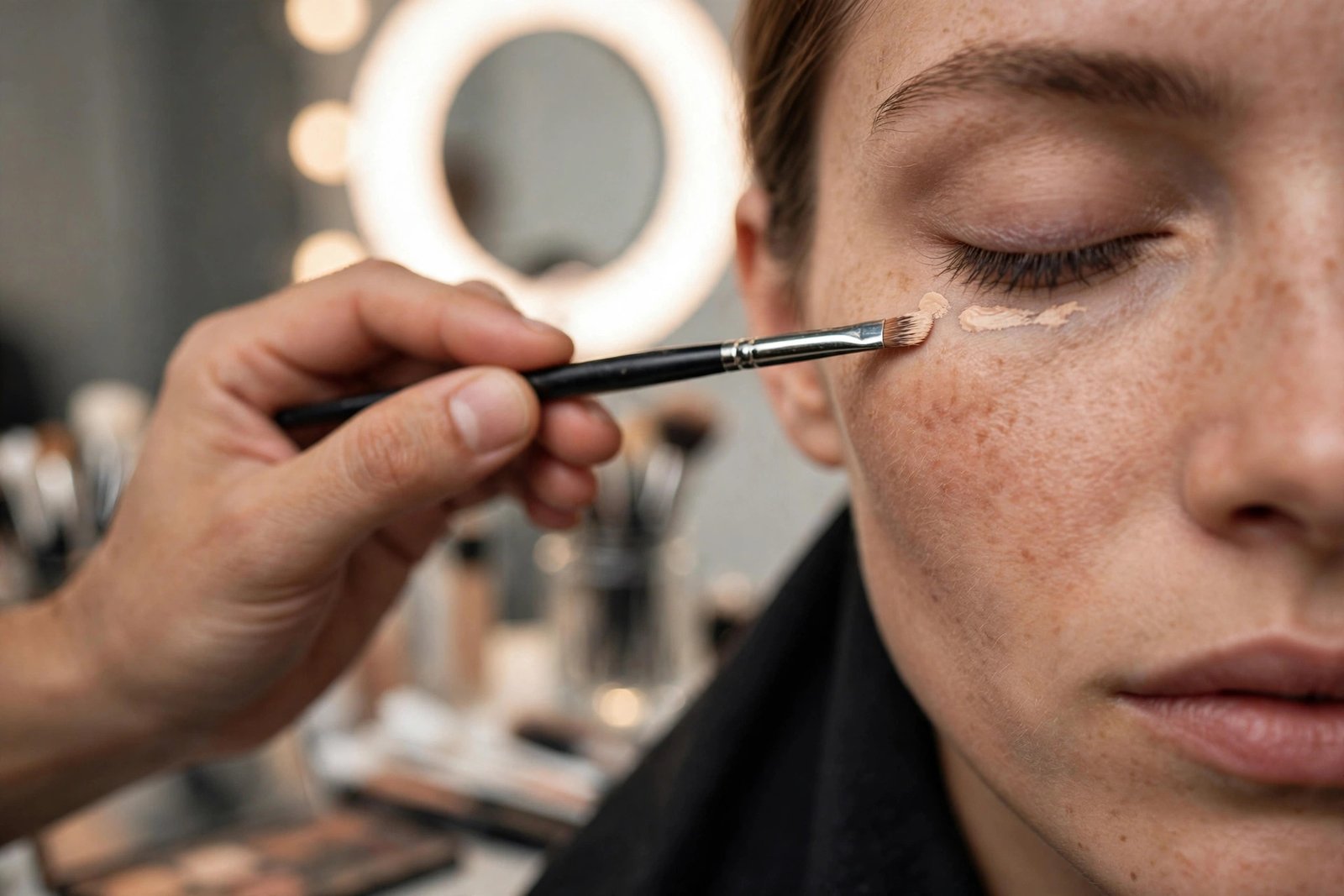
How to Stop Makeup From Creasing Under Your Eyes All Day
How do you stop makeup from creasing under your eyes? The prep, product and setting techniques makeup artists use for smooth, crease-free concealer all day.

What Is Double Cleansing and Does Your Skin Actually Need It?
What is double cleansing and do you actually need it? Who benefits from the two-step cleanse, who can skip it, and how to do it without stripping your skin.