
Gardening A journal entry
How to Stop Weeds Without Harsh Chemicals
Ditch the weedkiller. Learn how mulching, hoeing, dense planting and root removal control British garden weeds better than chemicals — plus tricky perennials.
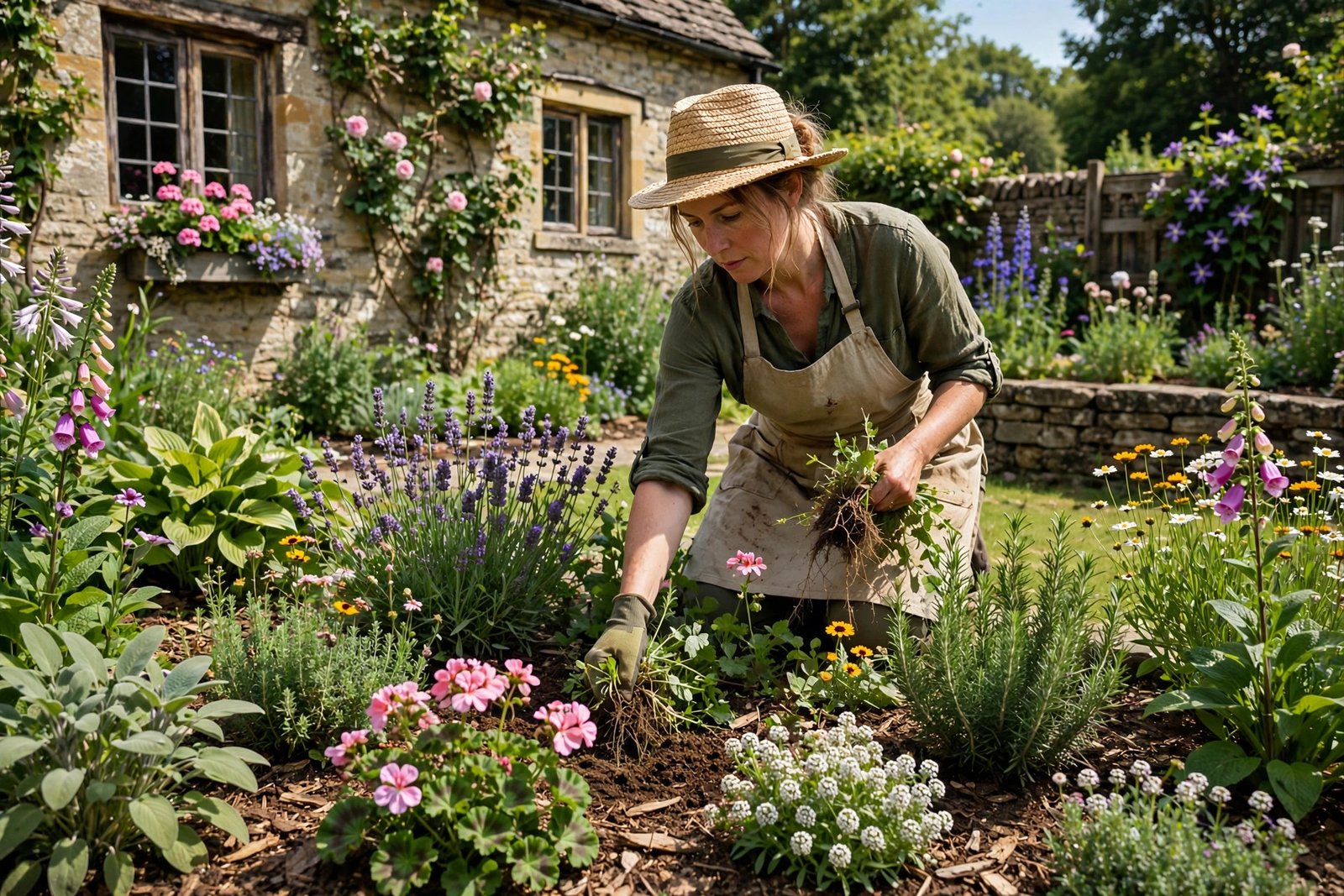
Weeds are nature’s opportunists — they exploit every scrap of bare soil, every gap in the mulch, every moment of neglect. The traditional British response has been the spray bottle of glyphosate, but growing numbers of gardeners want alternatives: concerns about pollinators, pets, children, and the soil itself have pushed chemical-free weeding from fringe to mainstream. The reassuring truth is that the most effective weed control was never chemical anyway — it is ecological. Here is how to keep weeds down without harsh chemicals, using methods that actually work in British gardens.
Understand the enemy: how weeds win
Weeds succeed through three strategies: prodigious seed production (a single fat hen plant can produce 70,000+ seeds), persistent seed banks (poppy and dock seeds survive decades in soil), and rapid colonisation of bare ground. Every control method targets one of these. The cardinal rule: never let soil sit bare. Bare soil is an engraved invitation; covered soil is a locked door. All lasting weed control flows from this principle.
Timing matters enormously in Britain’s climate. Weeds germinate in flushes from March to September — hoeing or pulling when they are tiny seedlings takes seconds per weed; tackling established docks or bindweed takes hours. The RHS weed control guidance emphasises that prevention and early intervention outperform any reactive treatment, chemical or otherwise.
Mulching: the single most effective method
A 7–10cm layer of organic mulch (bark chips, composted green waste, or well-rotted manure) suppresses weed germination by blocking light — and simultaneously feeds the soil, retains moisture, and improves structure. It is the closest thing to a free lunch in gardening:
- Bark chips — best for ornamental beds and around shrubs; long-lasting, tidy-looking.
- Garden compost — ideal for vegetable beds; feeds as it suppresses.
- Cardboard + compost (“lasagne mulching”) — lay cardboard over weedy ground, wet it, and cover with 10cm of compost. Plant straight through. Transforms a weed patch into a bed in one operation.
- Living mulch — dense ground-cover planting (geraniums, ajuga, vinca) that shades out weeds permanently once established.
Replenish mulch annually — it decomposes, which is the point — and keep it away from direct stem contact to prevent rot. A well-mulched bed needs perhaps 10% of the weeding of bare soil. When choosing what to plant in those beds, the best plants for a small UK garden includes plenty of vigorous ground-cover options that double as weed suppressors.
Mechanical control: hoeing, pulling, and timing
The Dutch hoe remains the finest weeding tool ever made: pushed just under the soil surface on a dry day, it severs seedling weeds at the root in seconds, and they desiccate where they fall. Ten minutes of hoeing weekly through the growing season prevents 90% of weed problems — the key is little and often, catching weeds at the thread stage.
For established perennial weeds (dandelions, docks, bindweed, couch grass), pulling must remove the root: dandelion taproots snap and regrow from fragments, so use a long hand fork and lever from deep. Bindweed and couch grass spread by underground rhizomes — every fragment left behind becomes a new plant, so dig methodically and sieve the soil. It is laborious but permanent in a way spraying never is: glyphosate often needs repeat applications on perennials anyway.
Flame weeders (handheld gas burners) are brilliant for paths, patios, and driveways — a second of heat bursts weed cells without chemicals. Boiling water from the kettle does the same job on patio weeds for free.
Natural sprays and smothering (use with care)
Several “natural” options exist, but honesty requires caveats:
- Horticultural vinegar (20% acetic acid) — burns top growth effectively on young weeds. It is non-selective (kills anything it touches) and can irritate skin and eyes — “natural” does not mean harmless.
- Salt — kills weeds but sterilises soil long-term. Never use it in beds; reserve for cracks in paving where nothing should ever grow.
- Smothering with membrane — woven landscape fabric under gravel or bark works for paths, but avoid it in planting beds where it degrades soil life.
These are tools for edges and paths, not the backbone of a weed strategy. The backbone remains mulch + hoeing + dense planting. Garden Organic, the UK charity for organic growing, provides detailed chemical-free weed management plans for allotments and gardens.
Design weeds out: the long game
The ultimate chemical-free weed control is garden design. Dense planting at proper spacing leaves no room for weeds — aim for plants to touch at maturity. Underplant shrubs with ground cover. Fill every gap in vegetable rotations with green manures (clover, phacelia) that suppress weeds and feed the soil. Edge beds crisply: a half-moon edger cut twice a year stops lawn grasses invading borders, eliminating the need for any edging chemicals.
Raised beds deserve special mention: filled with weed-free compost over a cardboard base, they start life essentially weedless, and their defined edges make maintenance trivial. See how to build a raised garden bed for a weekend project that pays weed-control dividends for years.
The weeds that need special tactics
Most annual weeds surrender to hoeing, but Britain has a rogues’ gallery of perennials that demand specific strategies. Horsetail (maremare’s tail) — the prehistoric survivor — laughs at most treatments; persistent digging of its deep rhizomes plus smothering with thick membrane for a full season is the chemical-free route, and even then expect a multi-year campaign. Ground elder spreads by brittle white roots that snap and regrow; the reliable method is total excavation and sieving, or a full season of light-excluding membrane. Japanese knotweed is in a different league entirely — it is legally your responsibility to prevent its spread, and professional treatment is strongly advised; do not compost it, do not ignore it.
Brambles and nettles are the friendlier foes: cut to ground level repeatedly through the growing season to exhaust root reserves, then dig out the weakened crowns in autumn. And remember the ecological nuance — nettles feed butterflies, dandelions feed early bees. The chemical-free gardener’s real skill is not total eradication but management: deciding which weeds, where, in what quantity, are acceptable. A garden with zero weeds is a garden at war with nature; a garden with weeds under control is a garden in balance.
Conclusion
Stopping weeds without harsh chemicals is not about finding a “natural Roundup” — it is about making your garden inhospitable to weeds in the first place. Mulch deeply, hoe little and often, plant densely so no soil sits bare, and deal with perennial weeds by thorough root removal rather than repeated spraying. These methods are cheaper than chemicals, better for pollinators and soil life, and — once established — less work. The weeds will keep trying; that is their nature. But a well-mulched, densely planted garden gives them almost nowhere to land.
Frequently Asked Questions
What kills weeds permanently without chemicals?
Nothing kills all weeds permanently — but deep mulching, dense planting, and consistent hoeing of seedlings provide lasting control that outperforms repeated chemical spraying on perennial weeds.
Does vinegar really kill weeds?
Horticultural-strength vinegar (20% acetic acid) burns young weed top-growth effectively, but it is non-selective, does not reliably kill perennial roots, and requires careful handling. Household vinegar (5%) is largely ineffective.
How do I get rid of bindweed without weedkiller?
Patient digging: trace runners back and remove every fragment of the white rhizomes, sieving the soil. Smothering with thick mulch or membrane for a full growing season also exhausts it. Expect it to take persistence, not a single session.
Is pulling weeds better than hoeing?
Different jobs: hoeing is fastest for annual seedling weeds (sever at the root, leave to dry); pulling/digging is necessary for deep-rooted perennials like dandelions and docks where the whole root must come out.
Will mulch stop all weeds?
A 7–10cm organic mulch stops the vast majority of annual weed germination. Determined perennials (bindweed, couch grass, horsetail) can push through — these need digging out first, then mulching to prevent re-establishment.
§ Further Entries
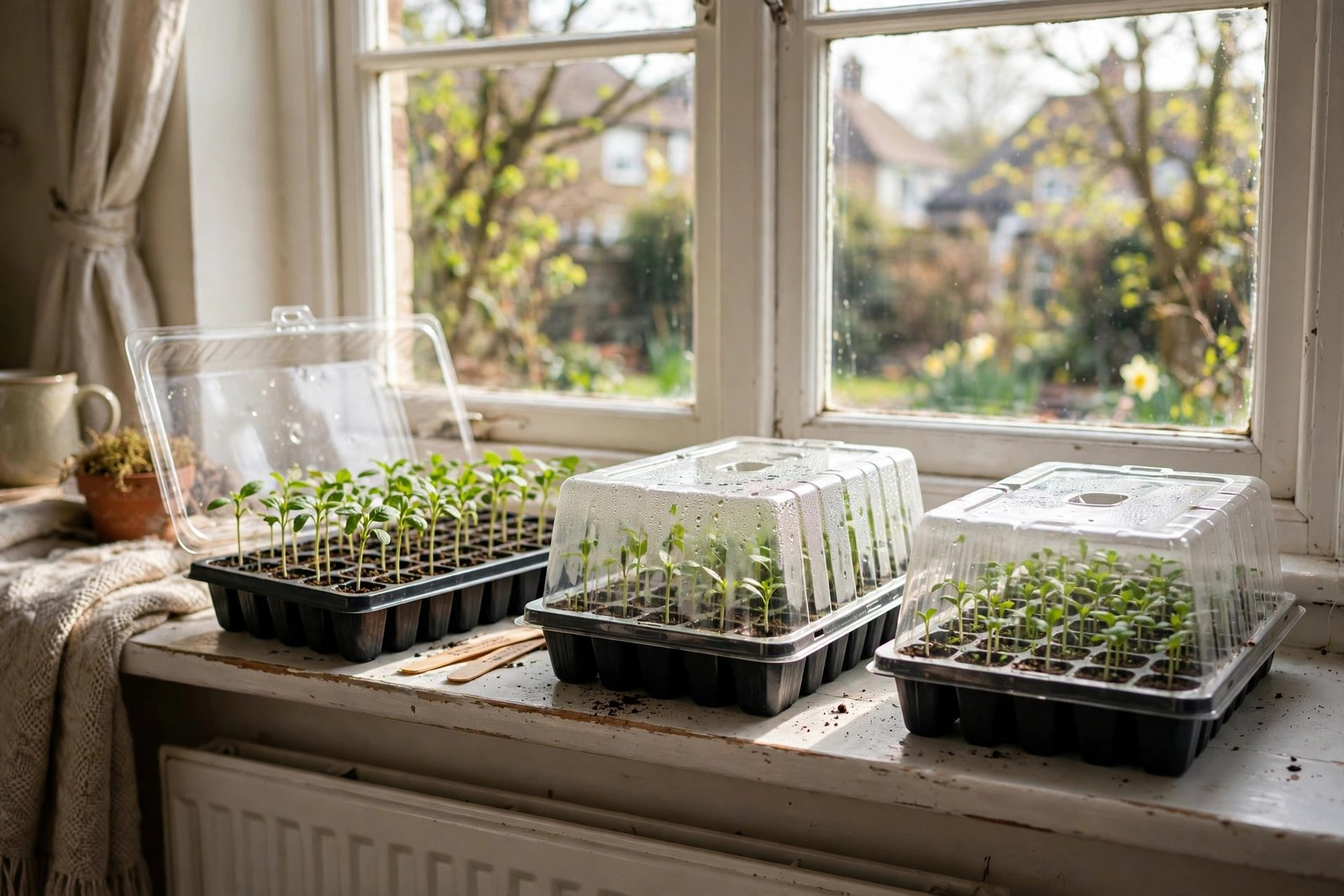
How to Start Seeds Without Grow Lights in the UK
No grow lights? No problem. Learn how to raise strong seedlings on a British windowsill with reflectors, timing tricks, and legginess prevention that works.
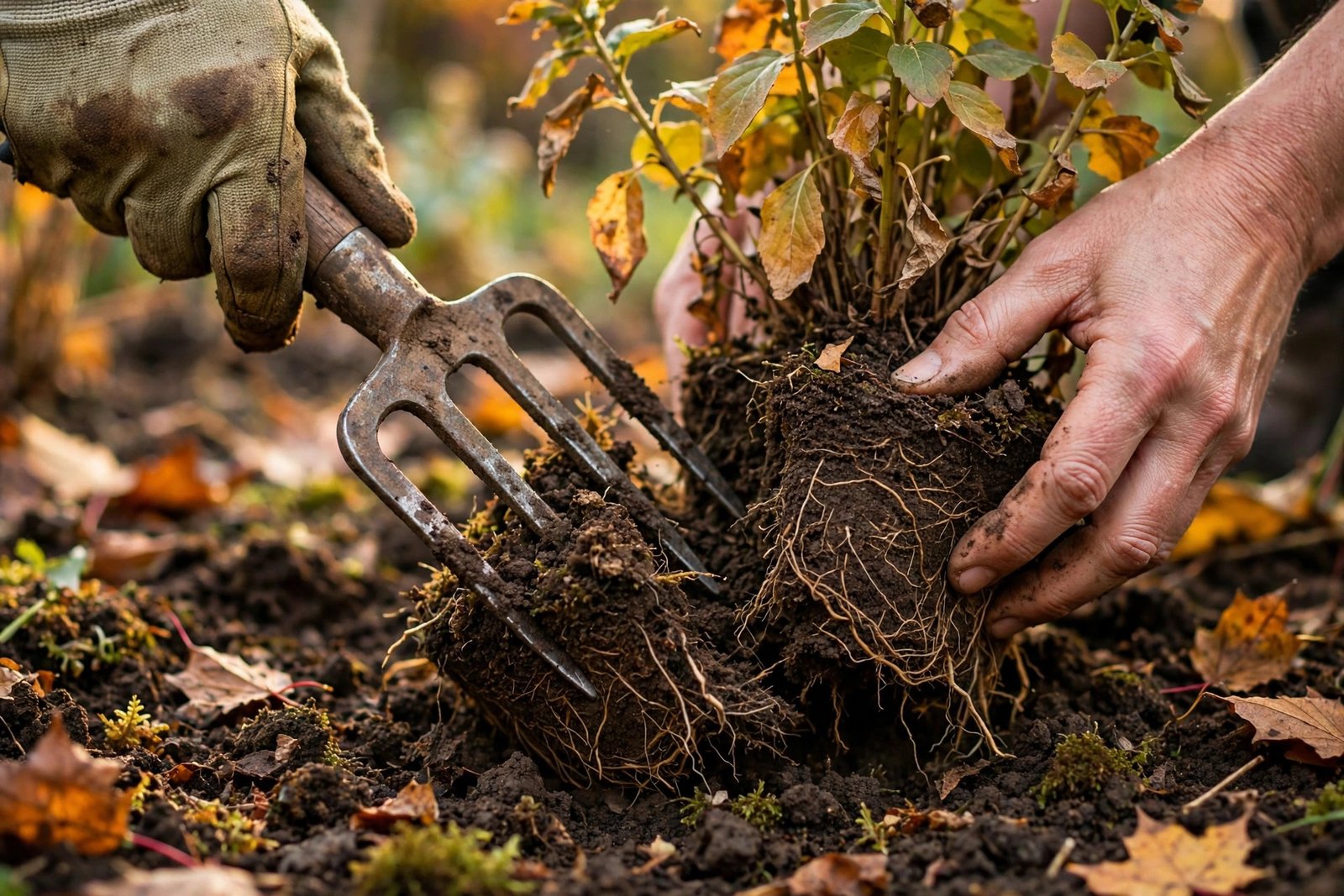
How to Divide Perennials Without Damaging Roots
Dividing overgrown perennials? Learn the right season, how to lift clumps without tearing roots, and the replanting steps that get every division thriving.
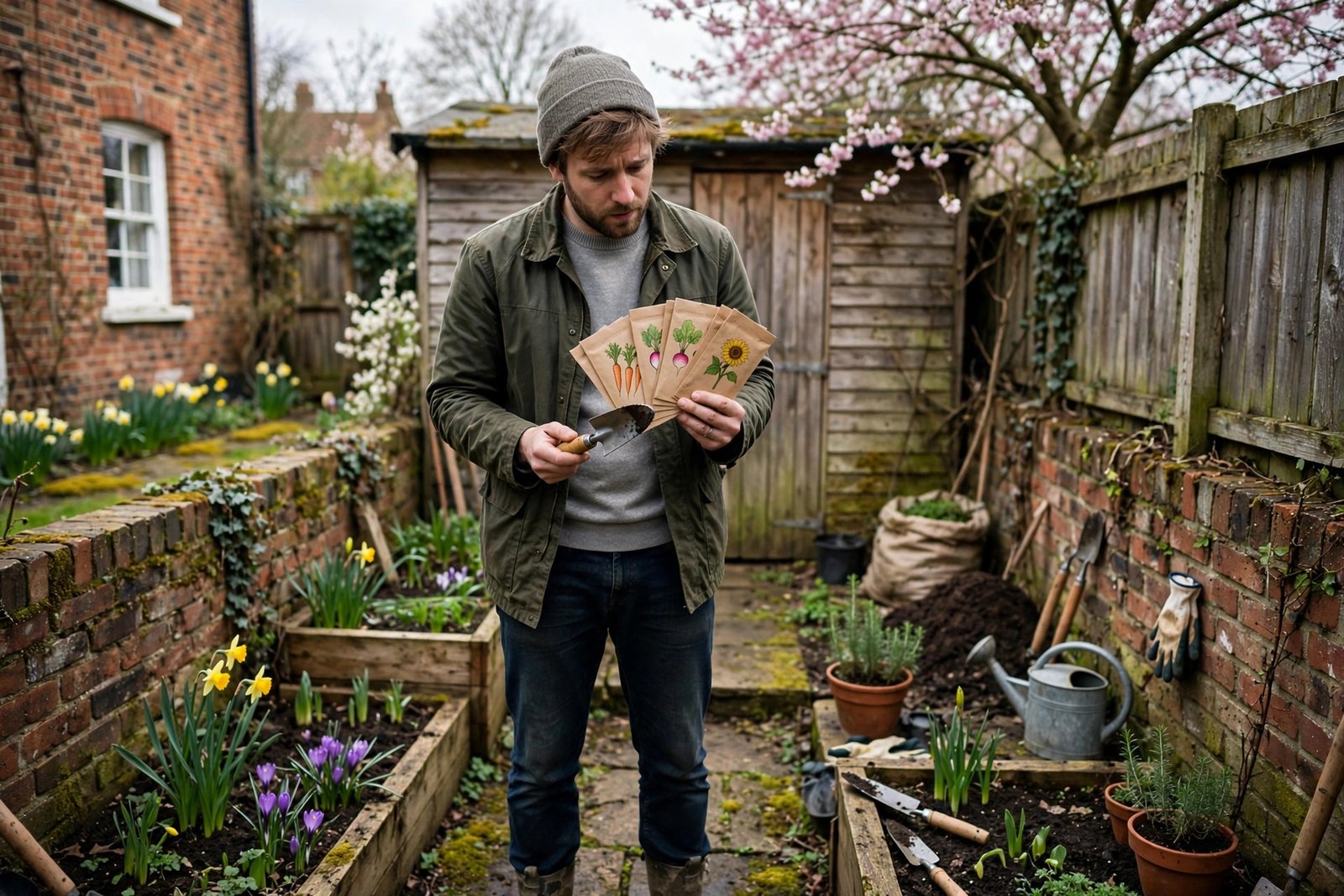
How do I start a vegetable garden as a total beginner in britain?
how do I start a vegetable garden as a total beginner in britain? Practical steps, expert tips and honest advice in our concise UK guide for British readers.