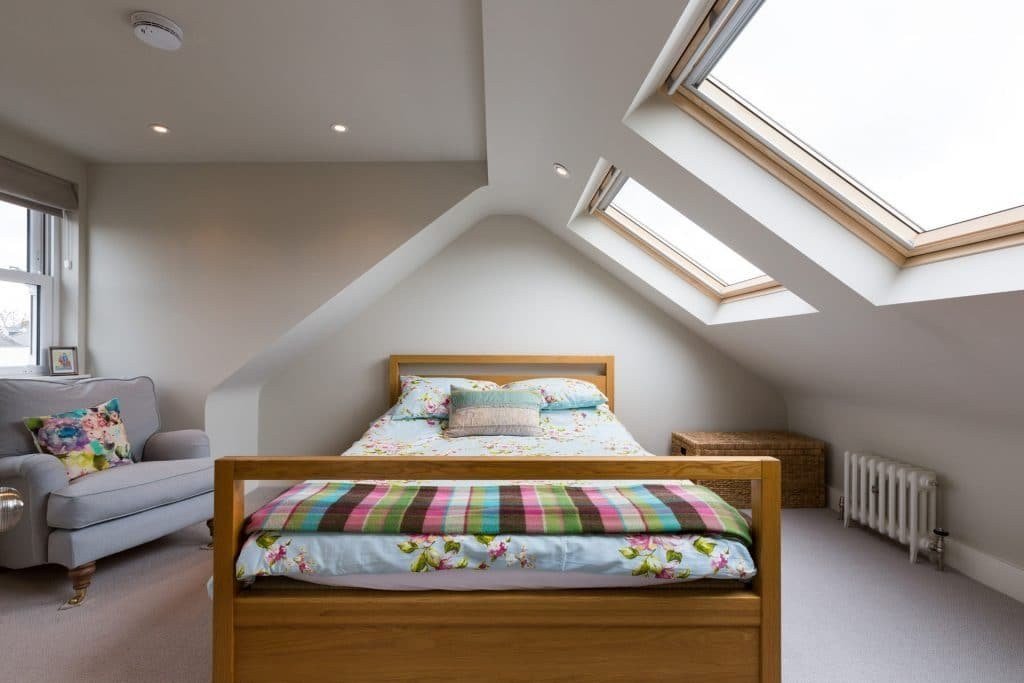
A loft conversion is the most popular major home improvement in Britain — and for good reason. It adds a bedroom (or two), often adds more value than it costs in high-price areas, and avoids the upheaval of moving. But it’s also a serious construction project with serious costs. So how much does a loft conversion cost in the UK? Broadly: £25,000–£40,000 for a basic rooflight conversion, £40,000–£60,000 for a dormer, and £60,000–£90,000+ for hip-to-gable or mansard conversions in London and the South East.
Costs have risen significantly in recent years — materials, labour and the sheer regulatory burden all push upward. Get multiple quotes, and treat any quote far below the rest with deep suspicion.
How Much Does a Loft Conversion Cost in the UK? By Conversion Type
Rooflight (Velux) conversion: £25,000–£40,000
The simplest: the roof structure stays, rooflight windows go in, the floor is strengthened, stairs, insulation, electrics and plastering complete it. Only works where existing head height is sufficient (2.2m+ at the ridge ideally). Cheapest and least disruptive, but limited by the roof’s natural shape.
Dormer conversion: £40,000–&ponald;£60,000
A box-like extension projecting from the roof slope, creating full head height across much of the floor. The most common UK loft conversion — the sweet spot of space gained versus cost. Flat-roof dormers are cheapest; pitched dormers look better and suit conservation areas.
Hip-to-gable: £50,000–£70,000
For hipped roofs (sloping on all sides): the hip is extended to a vertical gable, dramatically increasing usable space — often combined with a rear dormer for a full-width conversion. Common on 1930s semis.
Mansard: £60,000–£90,000+
The premium option: the entire roof structure is essentially rebuilt with near-vertical walls, maximising space. Common in London where every square foot counts. Requires planning permission (unlike most other types, which fall under permitted development).
What the Money Covers — and the Extras
A proper quote includes: structural work (steel beams, floor strengthening), stairs, roofing alterations, windows, insulation, electrics, plumbing (for en-suites), plastering, and building-regulations compliance. Common extras that ambush budgets: en-suite bathroom (£5,000–£10,000 — see our bathroom cost guide), upgraded finishes, built-in storage, underfloor heating, and party-wall agreements (£700–£2,000 per neighbour if they dissent and surveyors are appointed).
Then there’s the professional fees layer: architect or designer (£1,500–£3,000), structural engineer (£800–£1,500), building-control fees (£500–£1,000), and possibly planning application fees if permitted development doesn’t apply. Budget 10–15% of build cost for fees and contingency combined.
Planning Permission and Building Regulations
Most loft conversions fall under permitted development rights (no planning application needed) provided they stay within limits: 40m³ additional volume for terraces, 50m³ for detached/semis, no extension beyond the existing roof plane at the front, and side-facing windows obscure-glazed. Always apply for a Lawful Development Certificate (£100–£200) — it proves legality when you sell. Conservation areas, listed buildings and some new estates have restricted rights — check first.
Building regulations approval is always required — structure, fire safety (mains-wired smoke alarms, fire doors, escape windows), insulation, stairs, ventilation and electrics all get inspected. This isn’t red tape for its own sake; it’s what makes the difference between a proper room and a dangerous one. The Planning Portal has the definitive guidance on both regimes.
Is It Worth It? The Value Question
In London and the South East, a well-executed loft conversion adding a bedroom and bathroom typically adds 15–20% to property value — often exceeding the build cost. Elsewhere, the uplift is smaller (10–15%), and in the cheapest markets it may roughly break even. Which?’s home improvement value research tracks this honestly. But value isn’t only financial: avoiding stamp duty, estate-agent fees and the misery of moving has real worth — moving a £400,000 house costs £15,000–£25,000 in fees and tax alone, which reframes the conversion cost considerably.
The conversions that add most value: an extra bedroom with en-suite, good natural light, proper head height throughout, and finishes matching the rest of the house. The ones that add least: cramped box rooms with awkward stairs that scream “afterthought”.
Choosing a Builder and Managing the Project
Use a specialist loft-conversion company or a builder with extensive loft experience — general builders can do it, but lofts have specific structural and regulatory challenges. Get three detailed quotes, visit previous work, speak to past clients, and check insurance (public liability and contract works cover). Never pay large sums upfront — stage payments tied to completed milestones is the standard. Our tradesperson vetting guide covers the due diligence. Expect 6–10 weeks on site for a dormer conversion, longer for mansards — and plan for dust, noise and stairwell disruption throughout.
Financing a Loft Conversion
Most people fund loft conversions through remortgaging or a further advance — borrowing against the property at mortgage rates, which beats any unsecured loan for sums this size. Some use home improvement loans (secured or unsecured) for smaller rooflight conversions. A few practical notes: get your finance agreed before signing a build contract; stage payments should align with your drawdown schedule; and tell your home insurer before work starts — standard policies often exclude or limit cover during major works, and you’ll need to update the rebuild value afterwards. An uninsured half-built loft is a risk no one should carry. Also budget for the party wall process early: if neighbours dissent, surveyor fees land before the build even starts.
Loft Conversion vs Extension vs Moving: The Maths
How does a loft compare to the alternatives? A single-storey rear extension costs £2,000–£3,000 per m² — a 20m² extension runs £40,000–£60,000, similar to a dormer loft, but you lose garden and gain planning complexity. Moving house for an extra bedroom: on a £400,000 home, stamp duty, estate-agent fees, legal costs and removals total £15,000–£25,000 before you’ve improved anything — and you might not find what you want anyway. The loft usually wins on pure economics where the roof geometry cooperates, which is why it’s Britain’s favourite major project. The exception: if your loft is fundamentally unsuitable (too low, too complex), an extension or a move may be the honest answer — get a feasibility assessment before falling in love with the idea.
The Takeaway
Budget £40k–£60k for the typical dormer conversion, add 15% contingency, confirm permitted development with a Lawful Development Certificate, never skip building regulations, and choose a genuine loft specialist. Done well, it’s the highest-value major improvement most British homes can make.